Water spots on ceilings are a clear sign of moisture that should be investigated promptly. They are more than cosmetic defects and often point to roof leaks, plumbing faults, or ventilation problems. This article explains common causes, the risks of leaving stains untreated, and practical steps to repair and prevent ceiling water damage so homeowners can protect their property and maintain a safe home.
We cover typical sources of ceiling water damage, how to spot roof leaks early, the consequences of ignoring stains, and the repair and restoration process. The guide also includes preventative maintenance advice to reduce future issues. The aim is to provide homeowners with clear, actionable information.
A recent study underscores the importance of addressing building leaks, detailing leakage types, root causes, and the crucial role of waterproofing in preserving structural integrity.
What Causes Water Spots on Ceilings? Understanding Common Sources of Ceiling Water Damage
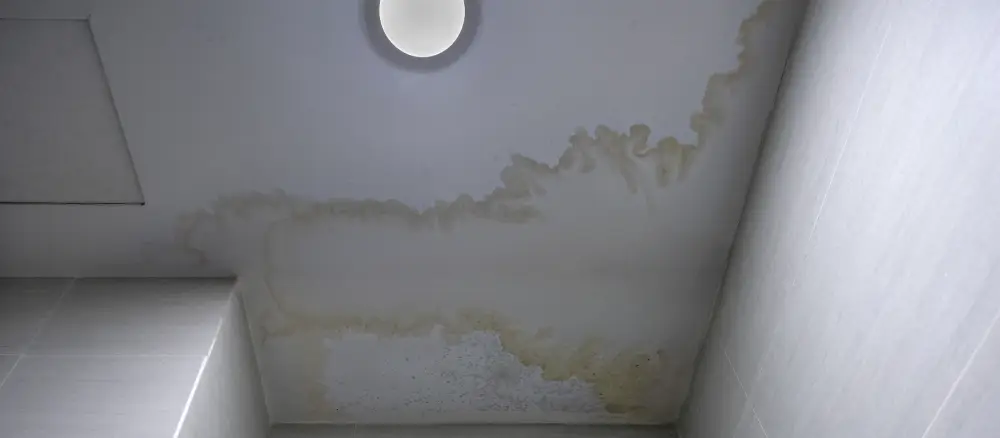
Most often, a water stain on ceiling surfaces results from roof leaks, plumbing issues, or recent storm damage. Knowing the source is essential for choosing the right repair approach. These stains vary in size, color, and texture; small brown rings often trace slow drips, while larger discolored patches can signal prolonged exposure or a sudden influx of water from a weather event.
The shape and location provide clues. Stains near exterior walls or roof penetrations like chimneys and skylights usually point to external leaks. Observing when a stain appears, such as only after a heavy rain or high winds, further narrows the probable cause.
How Do Roof Leaks Lead to Ceiling Water Spots?
Roof leaks are a frequent cause of ceiling stains. Water that breaches the roof can travel through insulation and structural members before appearing as water marks on ceiling surfaces. It is vital to address these leaks quickly because extended exposure can lead to mold and structural deterioration.
Common roof leak entry points include failed flashing around chimneys and vents, compromised seals at skylights, cracked or missing shingles, valley damage where roof planes meet, and poorly sealed roof penetrations.
In colder climates, ice dams can form and force water under roofing materials. In warmer climates, degraded seals and flashing failures are more frequent. Identifying the leak path often requires inspecting both attic and roof surfaces because the visible water marks on ceiling drywall are not always located directly below the roof opening.
Can Plumbing Issues or Condensation Cause Water Stains on Ceilings?
Plumbing failures and HVAC condensation can also create ceiling stains. Leaky pipes or fixtures may drip onto ceilings, and poor ventilation allows condensation to build up. Locating the source is essential for an effective, lasting repair.
Bathroom plumbing, appliances with water lines (dishwashers, washing machines), and pipes running through ceilings are common plumbing-related sources. HVAC systems that are poorly insulated or have blocked condensate lines can produce moisture that migrates and shows up as ceiling stains. In multifamily buildings, leaks from units above frequently manifest as ceiling spots below, so coordination with neighbors or building management is often necessary to locate the origin.
How to Identify Roof Leaks Early Through Ceiling Water Spot Detection
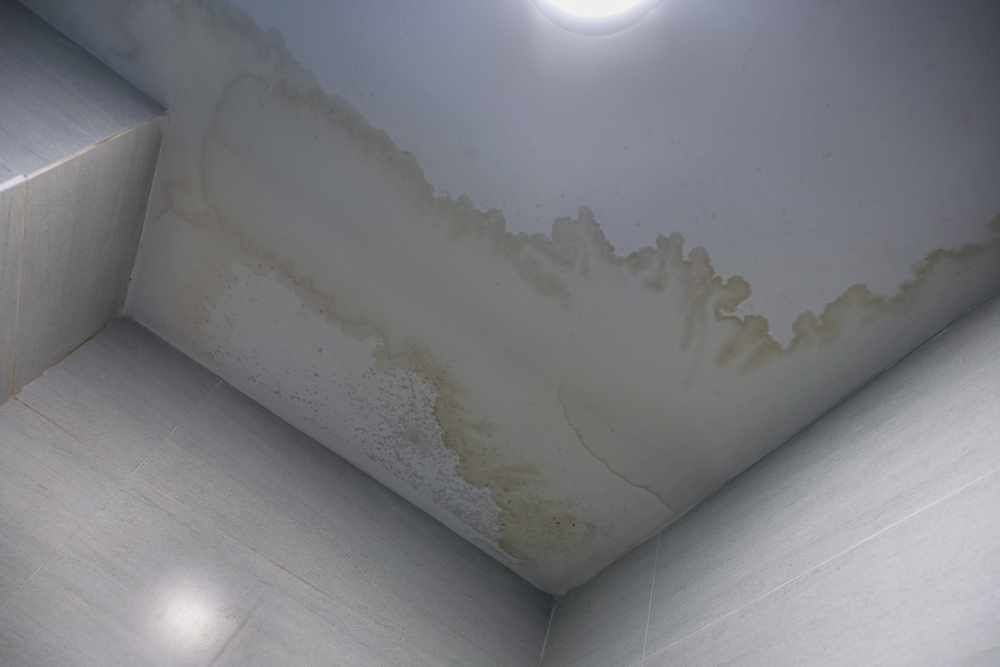
Detecting roof leaks early can prevent extensive damage and high repair costs. Regularly inspect ceilings for water spots and watch for signs like discoloration, peeling paint, or sagging that indicate moisture intrusion. A simple inspection checklist can help homeowners find leaks sooner:
- Look for new discoloration or rings on ceilings and walls, especially after rain.
- Note whether stains grow over time or appear only after storms.
- Check attic insulation and roof sheathing for wet spots or damp insulation.
- Smell for musty or mildew odors in attics and rooms, these often accompany hidden leaks.
- Inspect roof features (flashing, chimneys, skylights, vents) for visible gaps or damage.
In addition to visual checks, testing during or immediately after a rain event can reveal active leaks, have a helper stand in the suspected area while you inspect the attic or roof. Use a flashlight to trace stain paths; water often follows framing before dropping to the ceiling plane.
For those seeking professional assistance, Red Beard Roofing offers an expert roof repairing service and inspection to locate and address potential leaks efficiently.
What Are the Risks of Ignoring Ceiling Water Stains? Mold Growth and Structural Damage Explained
Leaving ceiling water stains unaddressed increases the risk of mold growth and structural damage. Moist conditions behind stains create an environment where mold can establish and spread. Moisture trapped in ceiling cavities promotes microbial growth on drywall paper, wood framing, and insulation.
According to the U.S. Environmental Protection Agency (EPA), mold can begin to grow within 24 to 48 hours of water exposure. In their guide on moisture control, the EPA emphasizes that the only way to control mold is to control moisture, making it vital to fix the source of a water stain on ceiling surfaces immediately. Over time, persistent moisture weakens building materials: drywall softens, fasteners can corrode, and wooden members may rot. Even if the visible stain seems small, hidden degradation can progress and lead to more expensive repairs when finally discovered.
How Does Ceiling Mold Develop from Water Stains?
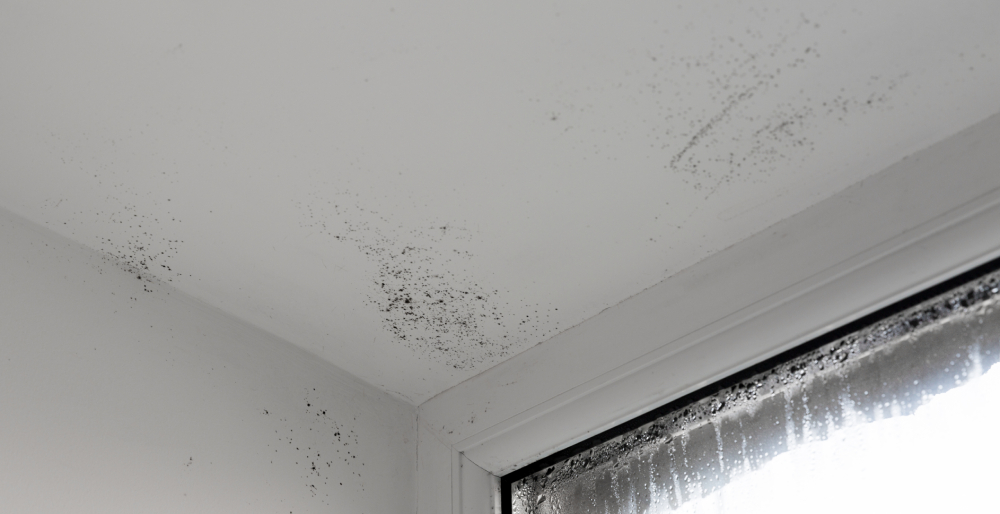
Mold develops when moisture persists and spores find organic material to feed on. Water stains indicate that conditions are suitable for mold growth, which can pose health risks and require professional remediation.
Small isolated mold patches may be cleaned safely by homeowners if the source of moisture is eliminated and proper precautions are taken (gloves, eye protection, and good ventilation). Larger or recurrent mold problems require trained remediation professionals who can contain affected areas, remove contaminated material, and treat surfaces to prevent regrowth. Remediation includes drying, removing damaged material, and correcting the moisture source so mold does not return.
What Structural Damages Can Result from Prolonged Water Exposure?
Prolonged exposure to water weakens structural components such as wooden beams, drywall, and insulation, which can cause sagging ceilings or, in severe cases, collapse. Repair costs rise the longer damage is left untreated. Homeowners should prioritise addressing water stains to reduce these risks.
In addition to immediate safety concerns, chronic leaks can shorten the life of roofing systems and interior finishes, reduce energy efficiency by damaging insulation, and create conditions that accelerate corrosion of metal connectors. Early action preserves structural performance and reduces cumulative repair costs.
How Does Red Beard Roofing Diagnose and Repair Roof Leaks Causing Ceiling Water Spots?
Red Beard Roofing follows a structured diagnostic process to find and repair roof leaks that lead to ceiling stains. Our experienced team inspects both the interior and exterior of the roof to identify damage and leak paths.
A thorough diagnostic typically includes an interior attic inspection to look for active stains, wet insulation, and signs of water migration, paired with an exterior roof walk (when safe) to examine shingles, flashing, and penetrations. We may use moisture meters to confirm damp areas and tracer tests or short simulated water tests in specific cases to reveal leak entry points. A clear diagnostic report helps homeowners understand the cause and recommended fixes.
After locating the source, qualified roofers propose targeted repairs that address the root cause rather than simply treating the symptom. This may include replacing compromised flashing, resealing vulnerable joints, replacing deteriorated shingles or membrane, and correcting ventilation or insulation issues that contribute to condensation.
What Are the Steps in Roof Leak Repair and Water Damage Restoration?
Repairing roof leaks and restoring water-damaged ceilings typically follows a series of critical steps:
- Inspection: A thorough assessment of the roof and ceiling to identify the source of the leak.
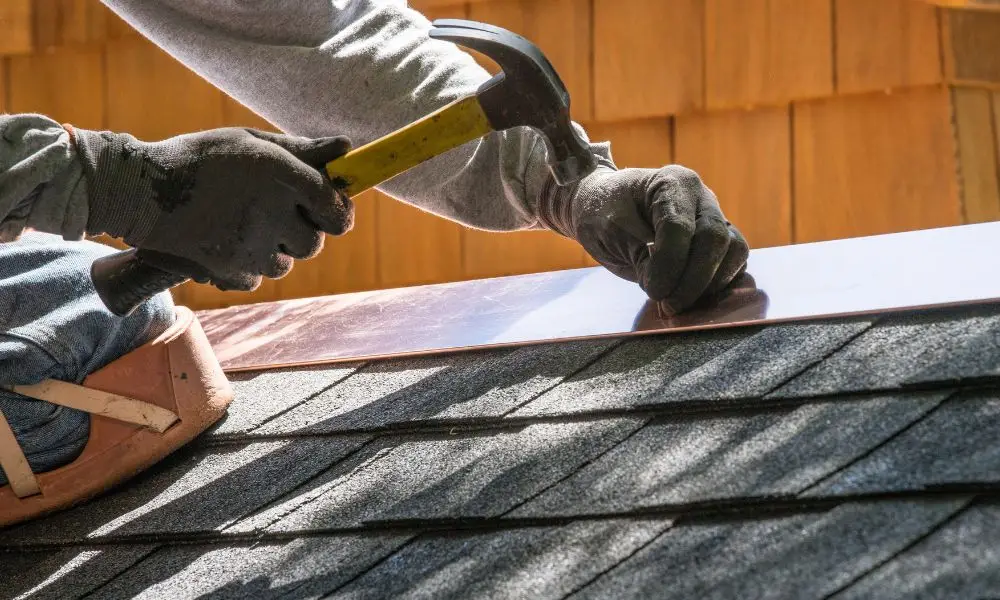
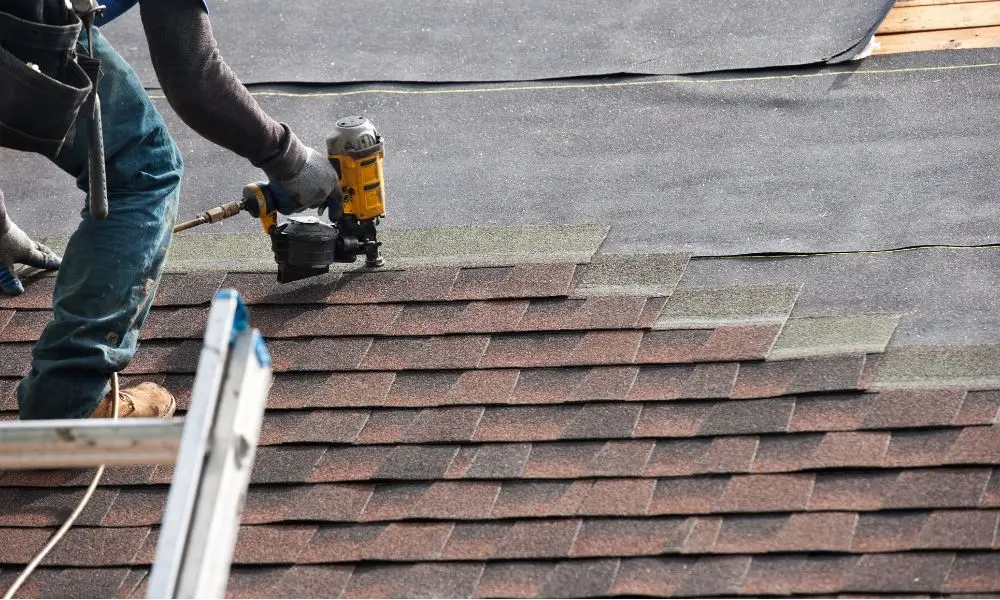
- Repair: Addressing the identified leak through appropriate roofing techniques, such as replacing damaged shingles or sealing gaps.
- Restoration: Repairing or replacing water-damaged ceiling materials, including drywall and insulation.
- Prevention: Implementing preventative measures, such as regular roof inspections and maintenance, to avoid future leaks.
Following these steps helps extend the roof’s service life and maintain the home’s safety. Each step can involve several sub-tasks. During inspection, technicians document affected areas and produce a repair plan. Repairs may begin with temporary measures, like tarping or local patching, if immediate protection is required, followed by permanent fixes.
Restoration includes drying the structure with dehumidifiers and fans, removing unsalvageable materials, replacing insulation and drywall where necessary, and refinishing surfaces to match the original appearance. Finally, preventative work may include updating flashing details and improving attic ventilation or insulation levels to reduce future risk.
How to Fix Ceiling Water Stains: DIY Tips and When to Call a Professional Roofer
A water stain on your ceiling is more than just an eyesore; it’s a distress signal from your home. While a small tea-colored ring might seem like a simple cosmetic fix, the real work lies in ensuring the structural integrity of your drywall and stopping the moisture at its source.
What Are Effective DIY Solutions for Minor Ceiling Water Stains?
If you have confirmed that the leak, whether from a burst pipe or a slipped roof tile, is 100% resolved, you can move on to restoration. For minor, surface-level discoloration, these DIY approaches are most effective:
- Cleaning : Mix water and mild detergent to gently scrub the stained area.
- Bleaching : A diluted bleach solution can reduce persistent discoloration.
- Painting : Once the area is fully dry, repainting can restore the ceiling’s appearance.
These approaches work for minor stains, but always confirm that the underlying leak or moisture source has been fixed before cosmetic repairs.
Before cleaning or painting, ensure the area is completely dry. Use fans and dehumidifiers to speed drying, and check insulation and the cavity above the ceiling for trapped moisture. When using bleach, ventilate the room and test a small area first, bleach can discolor some ceiling finishes. If drywall has softened, bulged, or crumbles when touched, remove and replace that section rather than attempting cosmetic repair.
When Should You Schedule a Roof Inspection or Professional Repair?
Homeowners should schedule a roof inspection or professional repair if they see large stains, recurring issues, or stains combined with other signs of water damage. A professional assessment will identify the root cause and recommend the correct repairs to prevent further harm.
Call a professional immediately if you notice any sagging or soft spots in the ceiling, active dripping, spreading discoloration, or multiple stains appearing in different areas. Professionals provide a documented repair plan that is useful for insurance claims and ensures the fix addresses both the leak and any hidden damage.
What Preventative Roof Maintenance Tips Help Avoid Ceiling Water Damage?
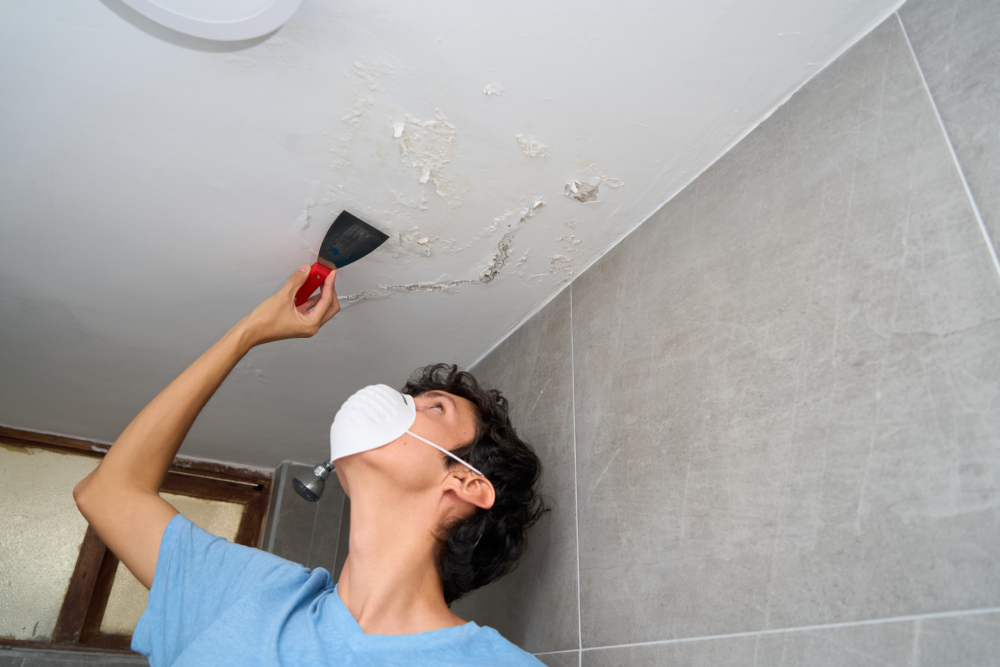
Preventative maintenance is the most effective way to reduce ceiling water damage. Homeowners should follow these practical steps:
- Regular Inspections: Schedule roof inspections at least twice a year to identify potential issues early.
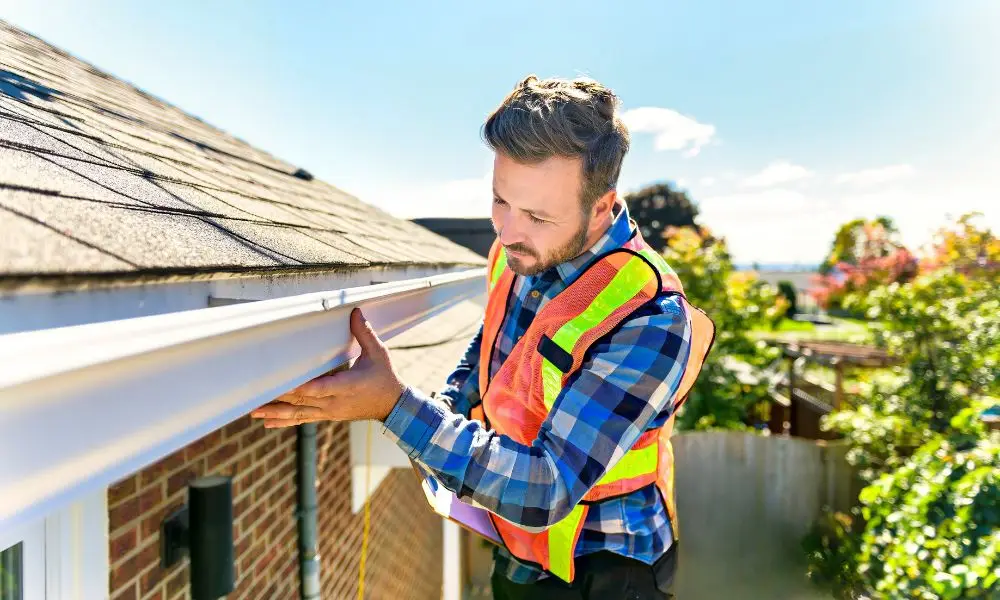
- Gutter Maintenance: Keep gutters clean and free of debris to ensure proper drainage.
- Debris Removal: Regularly remove leaves and branches from the roof to prevent water accumulation.
Regular maintenance can significantly lower the likelihood of roof leaks and ceiling water spots. Preventative work also includes checking seals around chimneys, skylights, and roof penetrations; ensuring attic vents are clear and working; and verifying that attic insulation is not blocking soffit vents, which can cause condensation problems.
Documenting maintenance activities and retaining invoices for professional work helps maintain a clear history of care for future buyers or insurance needs.
How Often Should Roof Inspections Be Scheduled to Prevent Leaks?
Schedule roof inspections at least twice a year, ideally in spring and fall, to detect potential problems before they grow.
Consider additional inspections after major weather events, strong storms, hail, or heavy snowfall can damage roofing materials. If your roof is older or has tricky details (multiple valleys, many penetrations, or a history of repairs), more frequent checks may be warranted. Inspections by a qualified contractor like Red Beard Roofing help prioritise repairs before they become emergencies.
What Maintenance Practices Reduce the Risk of Roof Leak and Ceiling Water Spots?
Maintaining the integrity of your roof is largely a game of prevention centered on consistent debris management and structural oversight. One of the most critical habits is regular gutter maintenance. When gutters become clogged with leaves and silt, they lose their ability to channel water away from the roofline, causing overflow that forces moisture under the shingles and into the fascia boards. This is often compounded by overhanging tree branches, which should be trimmed back to minimize the volume of organic debris falling onto the roof and to prevent physical scuffs or punctures during high winds.
Beyond cleaning, a visual audit of roofing materials can catch minor failures before they become indoor floods. Homeowners should look for curling, cracked, or missing shingles, as well as damaged flashing around chimneys and vents where seals are most likely to fail. It is also vital to inspect roof valleys, which are the V-shaped channels where two roof planes meet, as these are high-traffic areas for water runoff and frequently collect debris that can trap moisture against the roofing membrane.
Effective maintenance also extends all the way to the ground. You must ensure a clear drainage path around your home’s foundation to prevent water from pooling near exterior walls, which can lead to wicking moisture issues. Downspouts should be positioned to direct water well away from the building envelope, ensuring that even the heaviest downpour is successfully moved from the peak of the roof to a safe distance from the structure. This proactive approach significantly reduces the likelihood of water finding an entry point into your living space.
Frequently Asked Questions
What are the long-term effects of ignoring water spots on ceilings?
Ignoring water spots can lead to extensive mold growth and structural deterioration. Over time, persistent moisture weakens ceiling beams and drywall, which significantly increases repair costs and may even risk a partial collapse. Beyond structural damage, neglected leaks often result in poor indoor air quality and permanent damage to insulation.
How can I prevent water stains from appearing on my ceiling?
The best prevention is a combination of regular roof inspections and gutter maintenance. Keep your gutters clear of debris to prevent water backup and ensure your attic has proper ventilation to stop condensation from forming. Additionally, check the seals and flashing around roof penetrations, such as chimneys or vents, to ensure they remain watertight.
What should I do if I find mold on my ceiling?
First, identify and stop the source of moisture. You can clean small patches of surface mold using water and a mild detergent or a specialized mold cleaner. However, for larger infestations, it is safest to hire a professional remediation service to ensure the spores are properly contained and removed without spreading through your home.
Are there specific signs that indicate a serious roof leak?
Yes, certain signs demand immediate attention. Watch for sagging ceiling panels, a persistent musty odor, or paint that is bubbling and peeling. If you notice water stains expanding rapidly after a rainstorm or if you can see daylight through the roof decking while standing in your attic, you likely have a significant structural leak.
How can I choose the right roofing professional for repairs?
Start by researching local contractors who are fully licensed and insured. Ask for references and photos of previous work to verify their experience with your specific roof type. It is also wise to compare multiple quotes and ask each contractor about the warranties they offer on both their workmanship and the materials used.
What materials are best for repairing water-damaged ceilings?
When replacing damaged sections, use moisture-resistant or mold-resistant drywall. Always apply a high-quality, stain-blocking primer before painting to prevent old water marks from bleeding through the new coat. In areas prone to humidity, such as bathrooms, use specialized paints designed to resist moisture and mildew.
Conclusion
Addressing water spots on ceilings protects your home’s structural integrity and reduces the risk of mould and further deterioration. By identifying causes and acting promptly, through inspections, repairs, and routine maintenance, homeowners can limit damage and maintain a safe living environment. Schedule a roof inspection to take the first step in protecting your home.
Early detection, documented repairs, and ongoing maintenance form the best defense against recurring ceiling water damage. Keep a simple maintenance log, respond quickly to new stains, and use professional support when in doubt. Taking these steps preserves your home, avoids costly escalation, and provides peace of mind.
For more detailed information on identifying weather-related issues, we recommend reading our related article on the common signs of storm damage on your roof.