Storms can wreak havoc on your roof, leading to significant damage that may not be immediately visible. Homeowners in areas like Spring Hill and Columbia are particularly encouraged to be vigilant after severe weather events. Understanding the signs of roof storm damage is crucial for homeowners to ensure the safety and integrity of their homes. This article will guide you through the common visual signs of storm damage, how to recognize specific types of damage, and the steps to take for a thorough roof inspection. By identifying these issues early, you can prevent further damage and costly repairs.
We will also discuss when to call a professional for emergency roof repair services and how Red Beard Roofing can assist with insurance claims for storm damage.
What Are the Common Visual Signs of Storm Damage on Your Roof?
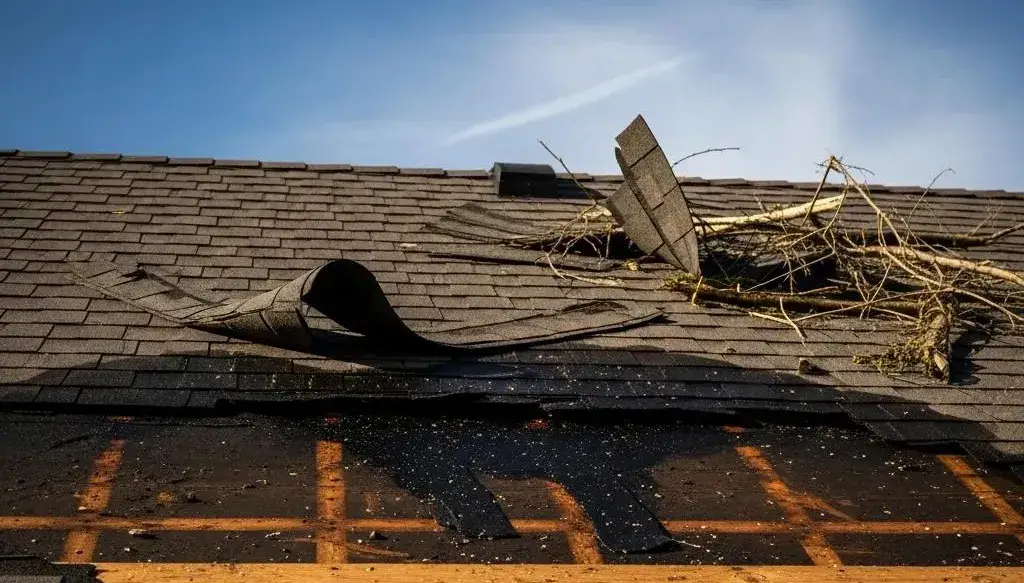
Identifying storm damage on your roof can be challenging, but there are several common visual signs homeowners can look for after severe weather. These indicators can help determine whether your roof has been compromised and may need prompt attention. For example, missing or curled shingles are a common sign of storm damage, as strong winds can lift or tear shingles away, exposing the layers beneath to potential water intrusion.
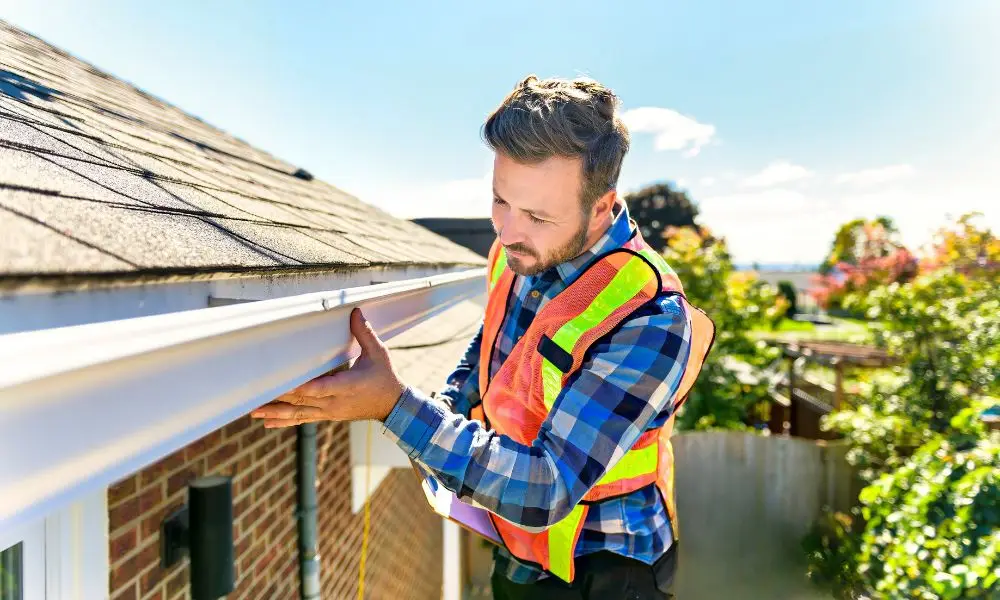
You may also notice dented or damaged gutters, which can indicate that hail or debris struck the roof during the storm. Inside your home, water stains on ceilings or walls can be another warning sign, often pointing to leaks caused by missing shingles, damaged flashing, or other roofing issues.
Recognizing these signs early allows you to address potential problems quickly and prevent more extensive damage to your home.
How to Recognize Hail Damage on Roof Shingles and Flashing

Hail damage can be particularly insidious, as it may not be immediately apparent. To identify hail damage, look for specific signs on your roof shingles and flashing.
- Dents or Bruising on Shingles: Inspect your shingles for any dents or bruises, which can indicate that hail has struck them. This damage can compromise the shingles’ integrity.
- Granules Found in Gutters: If you notice granules from your shingles in your gutters, it may be a sign that hail has damaged the shingles, causing them to lose their protective layer.
- Cracked Flashing: Check the flashing around chimneys and vents for cracks or breaks, as hail can cause significant damage to these areas.
Understanding these signs can help you assess the extent of hail damage and determine the necessary repairs.
What Wind Damage Looks Like: Missing Shingles and Structural Issues
Wind damage can lead to severe issues, including missing shingles and structural problems. Recognizing these signs is essential for timely repairs. Exposed underlayment is one of the most common indicators, as missing shingles can leave the underlayment visible and increase the risk of leaks and water damage. Another sign to watch for is sagging rooflines, which may indicate structural issues caused by strong winds and could require immediate professional assessment.
Similar to hail damage, water stains on ceilings can also signal that wind has compromised your roof’s integrity, allowing water to seep into your home. Being aware of these signs can help you take proactive measures to protect your home.
How to Perform a Roof Inspection After a Storm: Step-by-Step Checklist
Conducting a roof inspection after a storm is crucial to identify any damage. Here’s a step-by-step checklist to guide you through the process.
- Safety Precautions: Ensure you have the proper safety gear, including a hard hat and non-slip shoes, before climbing onto your roof.
- Visual Inspection Steps: Start by inspecting the roof from the ground using binoculars. Look for missing shingles, debris, and any visible damage.
- Documentation of Damage: Take photos of any damage you find for your records and to assist with insurance claims.
Following this checklist can help you conduct a thorough inspection and identify any areas that need attention.
When and How Soon Should You Inspect Your Roof After a Storm?
Timing is critical when it comes to roof inspections after a storm. It’s important to take immediate precautionary measures by inspecting your roof as soon as it is safe to do so after the storm has passed, as this can help you catch any damage early.
Begin with a ground-level inspection to look for visible signs of damage before considering climbing onto the roof. If you suspect significant damage, consider scheduling a professional inspection within a few days of the storm to ensure a thorough assessment. Timely inspections can prevent further damage and costly repairs.
When Should You Call a Professional for Emergency Roof Repair Services?

Knowing when to call a professional for emergency roof repair services is crucial for protecting your home. If you notice active leaks, it’s essential to call a professional immediately to prevent further damage. Similarly, severe storm damage, such as missing shingles or structural issues, requires a professional assessment to ensure your roof is properly repaired.
Structural failures, including sagging rooflines or other visible signs of compromise, also make it critical to contact a professional for emergency repairs. Recognizing these signs can help you take swift action to protect your home.
What Damage Warrants Immediate Emergency Roof Repair?
Certain types of damage require immediate emergency roof repair to prevent further issues. Active leaks are one of the most urgent concerns, as any signs of water intrusion should be addressed immediately to prevent mold growth and structural damage.
Severe storm damage also warrants prompt attention. If your roof has been severely compromised, such as large areas of missing shingles, it’s crucial to get repairs done quickly to protect your home from further harm.
Structural failures are another critical issue. Any sagging or instability in your roof structure should be treated as an emergency and requires immediate professional intervention. Understanding these key types of damage can help you prioritize repairs effectively and safeguard your home.
How Red Beard Roofing Can Help Repair Storm-Damaged Roofs
Red Beard Roofing is dedicated to supporting homeowners through every step of the storm damage repair process. Our experienced team not only conducts detailed roof inspections to identify all damage but also provides expert advice on the best repair solutions tailored to your specific needs.
We understand the stress that comes with storm damage, which is why we prioritize clear communication and timely service. From emergency repairs to full roof replacements, Red Beard Roofing ensures quality workmanship and durable results to restore your home’s safety and value.
Additionally, we assist with insurance claims by providing detailed damage reports and working directly with your insurance company to facilitate a smooth and efficient claims process. Our goal is to minimize your hassle and maximize your coverage, helping you get the repairs you need without unnecessary delays.
Choosing Red Beard Roofing means partnering with a trusted local expert committed to protecting your home and giving you peace of mind after a storm.
How Does Red Beard Roofing Assist with Insurance Claims for Storm Damage?
Navigating insurance claims for storm damage can be complex, but Red Beard Roofing is here to help. Our team provides comprehensive support to make the process smoother and less stressful.
We start with storm damage inspections, offering thorough assessments to determine the extent of the damage and properly document it for your insurance claim. In addition, we provide documentation support, assisting you in gathering all the necessary paperwork to ensure your claim has the required information.
Finally, we offer insurance claim assistance, guiding you through the entire process and helping you understand your policy and what is covered. With our expertise, you can feel confident in managing your insurance claims effectively. For a detailed guide on the process, refer to the official Post-Disaster Claims Guide from the Tennessee Department of Commerce & Insurance.
Red Beard Roofing also offers flexible financing options, making it easier for you to get the roof repairs you need without straining your budget.
Frequently Asked Questions
How soon after a storm should I inspect my roof?
It’s best to inspect your roof as soon as it is safe after the storm has passed. Start with a ground-level inspection and, if needed, schedule a professional inspection within a few days to catch any damage early.
Can I perform a roof inspection myself?
Yes, you can perform a basic inspection using binoculars from the ground and by safely accessing the roof with proper safety gear. However, for significant damage or safety concerns, it’s best to hire a professional.
When should I call a professional for roof repairs?
Call a professional immediately if you notice active leaks, large areas of missing shingles, structural damage, or sagging rooflines. These issues require urgent attention to prevent further damage.
How does Red Beard Roofing help with insurance claims?
Red Beard Roofing assists by conducting thorough storm damage inspections, providing detailed documentation, and guiding you through the insurance claim process to ensure you receive the coverage you deserve.
Conclusion
Storm damage to your roof can pose serious risks to your home’s safety and structural integrity. Recognizing the common signs of damage, such as missing shingles, hail dents, and water stains, is essential for timely intervention. Conducting regular inspections after storms, using the right tools and safety measures, can help you identify issues early and prevent costly repairs.
Red Beard Roofing offers free inspection in Spring Hill, Columbia and beyond, providing a thorough assessment of your roof at no cost to help you determine if repairs are needed. When damage is severe or involves structural concerns, calling a professional for emergency roof repair is critical. With expert assistance from companies like Red Beard Roofing, you can navigate repairs, insurance claims, and even financing options with confidence, ensuring your home remains protected and secure.
For those interested in the broader implications of roofing decisions, including sustainability and environmental considerations, check out our related article, “The Environmental Impact of Roofing Choices: What to Consider.”