Regular roof maintenance preserves your home’s structure and extends roof life. A well-kept roof shields your property from weather, prevents costly damage, and supports resale value. This guide explains annual maintenance, inspection methods, and preventative steps to help you address problems early, lower long-term costs, and improve safety. It covers inspection techniques, core maintenance tasks, common warning signs, and seasonal preparation.
To get the most value, treat this guide as a practical reference: consult the inspection checklists before and after seasons, record findings, and use the maintenance table and lists as a basis for conversations with contractors. Clear records and routine attention make repairs smaller, less frequent, and easier to budget.
Essential Roofing and Maintenance Inspection Methods
Regular inspections help spot issues before they worsen. Homeowners can perform ground-level checks; professionals offer detailed, hands-on assessments. Keep written records of every inspection to track changes over time. Aim for inspections twice a year and after major storms to stay ahead of damage.
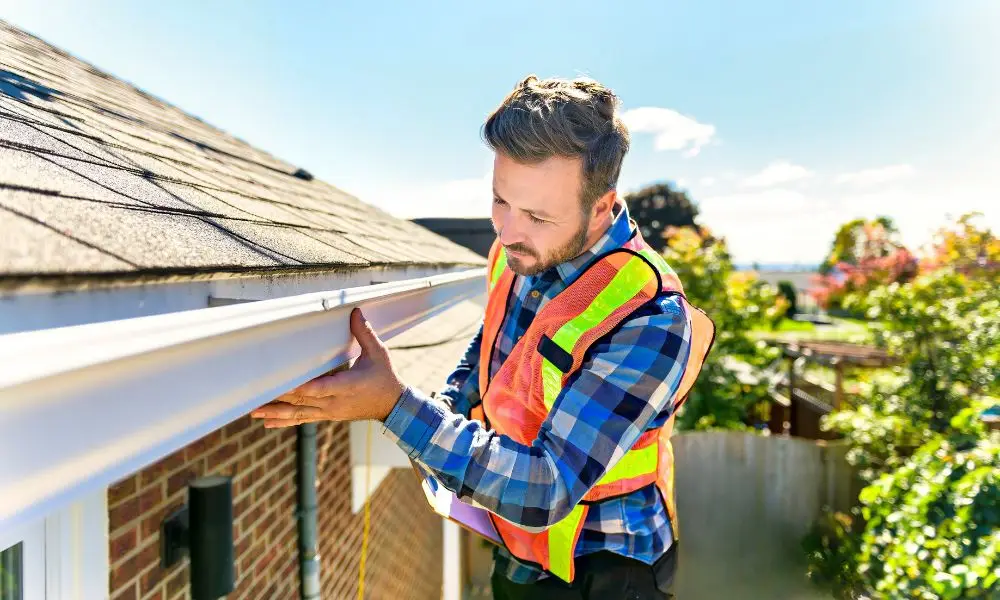
Ground-level checks are the safest start: walk around the perimeter and look for signs such as missing shingles, debris buildup, sagging eaves, or streaking indicating granule loss. Use binoculars for a clearer view of the roof surface, ridge, and flashing. Note conditions in a maintenance log to compare entries between visits.
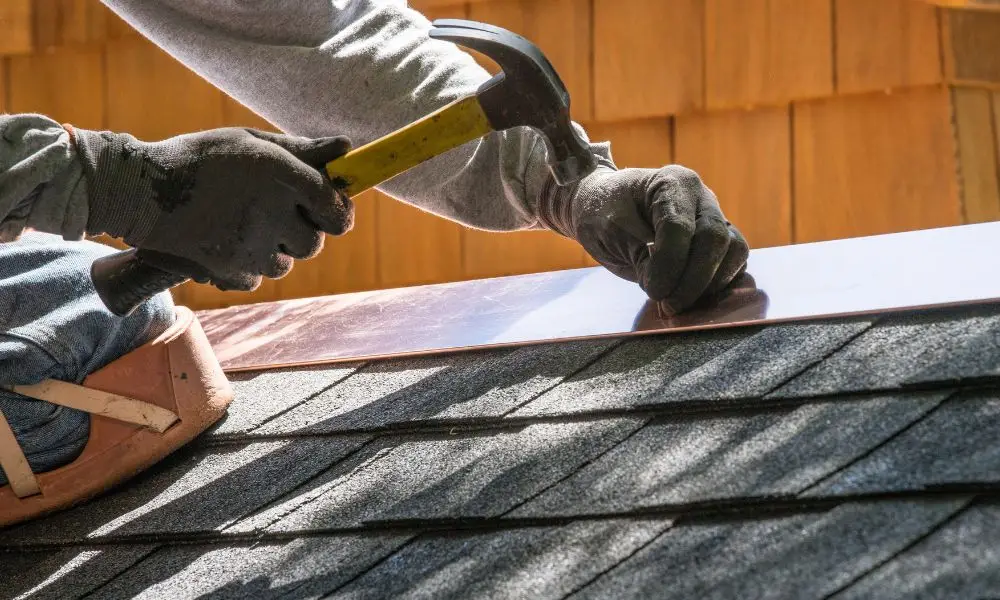
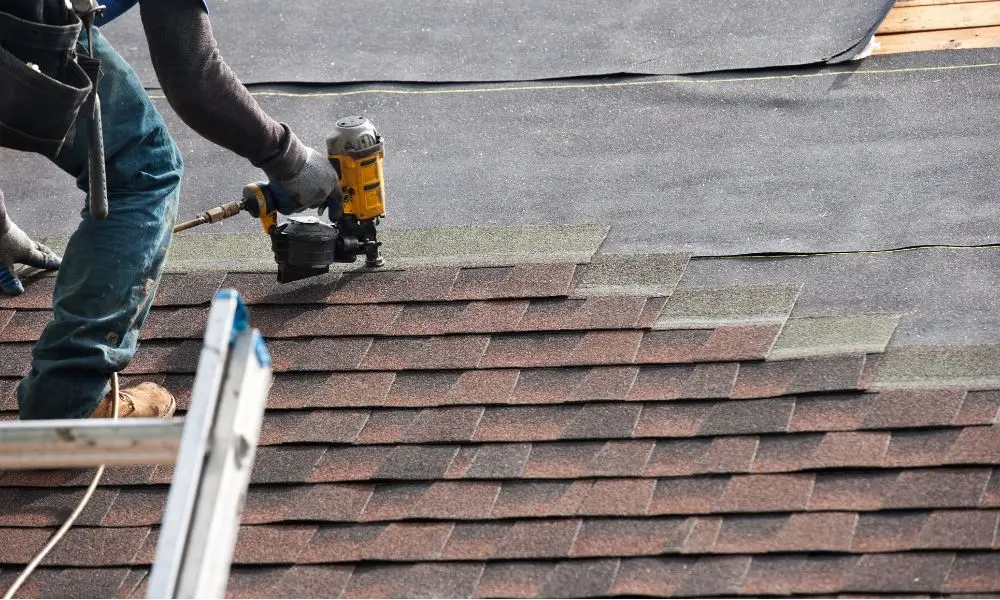
For hands-on roof work, hire a qualified professional. A professional inspection typically includes close-up assessment of shingles, flashing, vents, gutters, attic condition, and penetration points. Technicians may check insulation and ventilation and look for water staining patterns indicating hidden leaks. If repairs or advice are needed after inspection, consider contacting specialists. Red Beard Roofing offers installation, repair, and maintenance services tailored to homeowners.
Preventative Roof Care Practices to Extend Roof Lifespan
Preventative care preserves roof performance and reduces repair needs. Key routine tasks include keeping gutters clear to ensure proper water drainage and prevent ice dams in winter, regularly clearing leaves, branches, and debris to prevent rot and mildew, inspecting seals around vents and chimneys to prevent leaks, and maintaining proper attic ventilation. Proper ventilation maintains consistent temperature, reducing heat buildup and prolonging roof integrity.
These tasks are straightforward when done regularly. For example, gutter cleaning is quicker and safer on a regular schedule with proper ladder stabilizers. Seal checks involve inspecting visible caulking and flashing for cracks or separation and touching up small areas with compatible sealant.
When removing debris, avoid aggressive tools that could damage shingles. Use a leaf blower, soft broom, or hand removal to clear organic material without abrading granules. For attic ventilation, ensure vents are unobstructed and insulation does not block airflow. Homeowners can also review this durable attic guide to learn more about ventilation and moisture control.
Following these tasks reduces major repairs. Red Beard Roofing offers preventative maintenance plans to keep roofs performing year-round.
| Maintenance Task | Recommended Frequency |
|---|---|
| Gutter Cleaning | Twice a year |
| Seal Checks | Bi-annually |
| Attic Inspection | Annually |
Essential Roof Maintenance Techniques for Long-Term Protection

Consistent maintenance extends roof life. Use a seasonal checklist to ensure no steps are missed. Fix small issues promptly to avoid larger, costlier repairs, and keep clear records for future reference or sale.
Start from the ground up: begin with gutters and soffits, then assess the roof surface, and finish with the attic. Address defects immediately or schedule repairs if professional work is needed. Keep dated photos and notes to document changes over time; these help with warranty claims and resale disclosures.
Key Areas to Examine During a Roof Inspection
Target areas that often show early signs of failure include shingles, which should be checked for cracks, curling, or missing pieces exposing the roof to leaks; flashing around chimneys and vents, ensuring secure attachment and no rust; gutters, verifying they are not sagging or clogged; and interior damage, looking for water stains on ceilings and walls indicating leaks. Look for granule loss in gutters or downspouts and exposed underlayment. Check flashing for separation and seal deterioration. In the attic, use a flashlight to spot water stains, mold, or soft spots suggesting moisture intrusion.
Thorough checks let homeowners prioritize repairs or replacements efficiently. For less experienced homeowners, combine visual checks with a contractor’s evaluation to detect hidden issues.
How Often Should You Inspect Your Roof for Maintenance Issues?
Inspect at least twice a year and after severe weather. Frequent monitoring enables timely interventions and saves money.
Schedule inspections in spring after winter melt and in autumn before freezing. Perform extra checks after storms with strong winds, hail, or heavy rain. In areas with seasonal extremes, consider more frequent or professional annual inspections before the harshest season.
Common Roof Problems Homeowners Should Watch For
Watch for frequent issues such as leaks, indicated by dark ceiling or wall stains needing immediate attention; granule loss, signaled by shingle granules in gutters which indicates wear and potential damage; and sagging areas, where visible sagging may mean structural problems requiring prompt response. Early detection reduces repair scope. Small leaks prevented from reaching sheathing avoid rot and insulation damage. Granule loss, while cosmetic initially, signals aging shingles; tracking location aids evaluating degradation rate. Sagging demands professional evaluation; until inspected, avoid weight in the area to reduce risk.
How Does Preventative Roof Maintenance Extend Roof Longevity and Reduce Costs?
Preventative maintenance catches faults early. Regular inspections and timely repairs reduce water damage, insulation failure, and structural risks, lowering long-term expenses. Maintenance improves interior conditions, reduces mold and humidity issues, and preserves energy performance by maintaining insulation and ventilation. Documented maintenance history boosts resale value by showing consistent care.
What Are the Most Effective Preventative Maintenance Tasks for Every Season?
Seasonal tasks target specific risks. In spring, remove winter debris, check flashing, and clear gutters. Summer calls for confirming attic ventilation and inspecting for UV damage. In autumn, trim trees, clean gutters, and check sealing before storms. Winter requires verifying insulation to prevent heat loss and ice dams. Adapting care to seasons reduces chance of weather exposing issues. In climates with heavy rain or freeze-thaw, consult professionals for tailored plans.
How to Schedule Annual Maintenance Services for Optimal Roof Performance?
Book annual maintenance early or before rainy seasons for timely care. Choose reliable providers who document inspections and offer maintenance plans. Combine tasks such as gutter cleaning, seal checks, and attic ventilation in one service to reduce costs and streamline care. Regular professional maintenance can help identify minor issues before they develop into costly repairs.
What Roof Leak Detection Tips Help Prevent Costly Damage?
Prevent leaks with regular inspections to detect wear, clean gutters to prevent water pooling, and maintained sealants to block moisture. After heavy rain, inspect attic and ceilings for active leaks. In dry weather, check seams and flashing for cracks or loose fasteners to fix before leaks develop. Pay close attention to areas around chimneys, vents, and skylights, as these are common sources of leaks. Addressing minor issues early can prevent water damage to insulation, ceilings, and structural components. Keeping a record of inspections and repairs helps track recurring problems and supports warranty claims. Consistent leak prevention measures can extend roof lifespan and reduce long-term maintenance costs.
Which Tools and Techniques Enhance Early Leak Detection Accuracy?
Moisture meters and infrared cameras reveal hidden leaks and moisture missed by visual checks. Controlled water tests and seasonal attic scans help find fresh stains. Moisture meters give numeric readings over time; thermal cameras show temperature changes from wet spots. Used by professionals, these tools improve diagnosis while protecting materials.
When Should Professional Roof Leak Repairs Be Scheduled?
Distinguish emergency repairs, which are active leaks threatening interiors, from scheduled ones involving minor flashing or shingle issues. Emergencies demand immediate action; scheduled repairs can be planned to prevent worsening.
What Roof Safety Equipment Is Recommended for Homeowner Inspections and Maintenance?
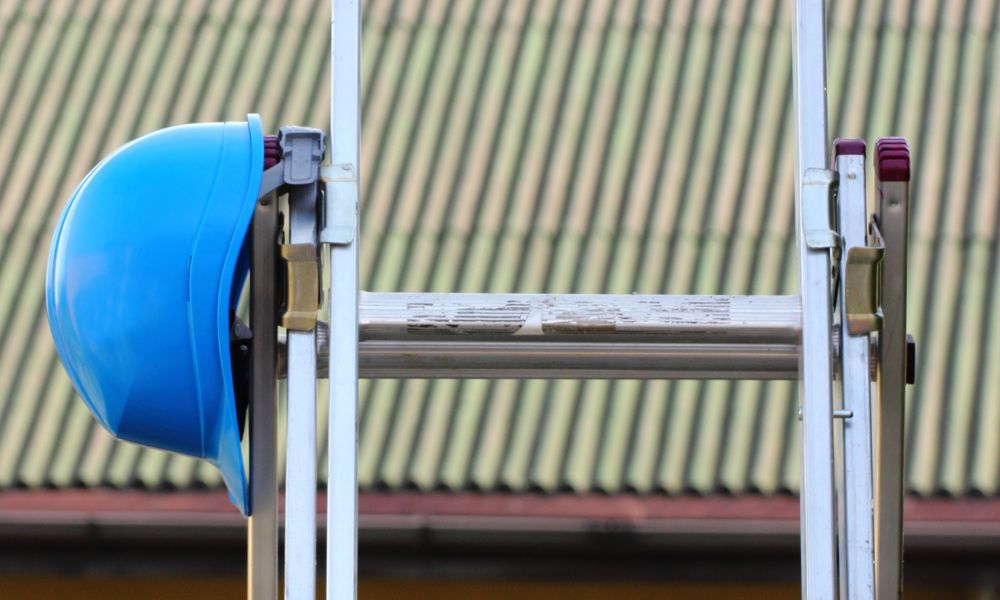
Recommended gear includes safety harnesses attached securely to prevent falls, non-slip shoes for traction, and ladders with stabilizers for safe roof access. Also use gloves, eye protection, and secure tool holders. Inspect gear before use and replace worn items. Always work with a partner when possible, especially when using ladders or accessing elevated areas. Avoid roof inspections during wet, windy, or icy conditions to reduce the risk of accidents.
How to Use Safety Harnesses and Other Protective Gear During Roof Work?
Properly fit and inspect harnesses. Follow manufacturer guidance for anchors, securing them to rated structures or consulting professionals. Maintain three points of contact when climbing ladders, use stabilizers, and place ladders on firm, level ground.
What Are Best Practices to Ensure Safety When Inspecting or Repairing Roofs?
Check weather, use ladders safely, and secure tools to prevent accidents. Conduct work in daylight and calm conditions with a partner for support and hazard watch. Keep first-aid and phone available. Hire professionals if tasks exceed your skill or comfort.
How Does Seasonal Roof Care Adapt to Weather Changes and Climate Conditions?
Seasonal care focuses on dominant risks: clear drainage during heavy rains and protect materials from UV in sunny months. Adapt plans to local climate. In wet seasons, clear drains and direct water away from foundations. In hot seasons, monitor materials for brittleness and ensure attic ventilation prevents heat buildup.
What Maintenance Steps Are Crucial Before and After Winter Seasons?
Before winter, clean gutters and downspouts to prevent ice dams; verify insulation and ventilation to limit heat buildup causing snow melt and refreeze. After winter, inspect for broken shingles, missing granules, split flashing, or stains indicating damage. Document and schedule repairs.
How to Prepare Roofs for Summer Heat and Storm Seasons?
Ensure adequate attic ventilation and check for loose shingles wind could dislodge. Seal seams to prevent moisture entry during storms. Trim trees near the roof. Inspect gutters and downspouts for secure attachment. Maintain a storm response plan with contractor contacts and pre-storm roof photos for insurance.
What Are the Key Considerations in Commercial Roof Maintenance for Business Properties?
Commercial roofs require different approaches: regular inspections meeting safety rules and detailed documentation, often mandated by regulations. Focus on flat or low-slope roofs, checking for ponding water, membrane condition, and rooftop equipment penetrations. Inspect drains, scuppers, and mechanical mounts. Coordinate inspections to minimize business disruption.
How Do Commercial Roof Inspections Differ From Residential Ones?
Commercial inspections emphasize flat or low-slope roofs and use specialized equipment not common in residential checks. They may involve lift equipment and safety rails, assess membranes and coatings, and document with detailed reports and photos for maintenance and compliance.
Which Maintenance Strategies Enhance Commercial Roof Durability and Compliance?
Tailored plans with scheduled inspections, safety practices, and timely repairs extend roof life and ensure regulatory compliance. Include routine drain cleaning, scheduled coating applications, and documented responses to issues. Good documentation aids budgeting and demonstrates compliance.
How Can Homeowners Benefit From Transparent Roof Maintenance Quotes and Reliable Service Scheduling?
Clear quotes help compare options and set expectations. Reliable scheduling minimizes disruption and improves satisfaction. Request itemized quotes covering labor, materials, permits, and warranties. Compare quotes with consistent scope and timelines. Reliable contractors explain findings and propose prioritized actions, helping informed decisions between repairs and monitoring.
What Should Be Included in a Transparent Roofing Service Quote?
A transparent quote details services, itemizes costs, and explains warranties, building confidence. Look for material clarity, work scope, cleanup, start and end dates, and warranty period. For maintenance plans, ask about visit frequency and covered actions.
How to Choose Reliable Roofing Professionals With Clear Communication?
Choose contractors with clear communication, references, positive reviews, and credentials. Verify insurance and licenses, request similar project references, and get written estimates. Good contractors welcome questions, explain repair vs. replacement trade-offs, and provide post-work checklists.
What Resources and Tools Support Homeowners in Maintaining Roof Health Effectively?
Visual guides, checklists, and mobile apps simplify tasks and remind homeowners when inspections are due. Use or create maintenance logs recording dates, observations, photos, and actions. Mobile apps can store reminders and photos for digital records. Keep receipts, warranties, and reports together for easy access.
Which Visual Guides and Checklists Simplify Annual Roof Inspection?
Annual checklists highlight gutters, flashing, shingles, and seasonal priorities to keep inspections focused. Make checklists covering exterior perimeter, gutter condition, visible shingles and flashing, attic insulation, ventilation, and interior water signs. Use each visit to compare conditions across seasons and years.
How Do Recent Industry Reports and Maintenance Innovations Impact Homeowner Practices?
Staying informed helps homeowners adopt efficient tools and methods. Drones enhance traditional checks without replacing professionals. Drone photos capture hard-to-reach areas with time stamps. Thermal imaging and moisture meters add data to prioritize repairs. Trained professionals using these increase accuracy and limit roof disturbance.
Frequently Asked Questions
1. What steps can homeowners take to prepare their roofs for extreme weather?
Clear gutters, replace loose shingles, reinforce seals and flashing, and secure loose outdoor items. Trim trees, verify attic ventilation and insulation, and keep emergency contractor contacts ready.
2. How can roof maintenance affect home energy efficiency?
Proper maintenance preserves insulation and ventilation, maintaining stable indoor temperatures, reducing heating and cooling costs, and improving comfort.
3. What are the benefits of scheduling seasonal roof inspections?
Seasonal inspections catch problems early, extend roof life, and allow prioritizing and budgeting repairs over time.
4. How can homeowners deal with pests that invade roofs?
Remove nests and debris, hire licensed pest control for infestations, install screens or deterrents, and repair gaps to prevent re-entry.
5. What tools are essential for DIY roof inspection and maintenance?
Sturdy ladder with stabilizers, safety harness, moisture meter, trowel, leaf blower or broom, binoculars, camera, flashlight, and notepad or app. Prioritize safety, avoid roof climbing in unsafe conditions.
6. How important is documentation of roof maintenance and repairs?
Documentation proves upkeep for buyers, tracks recurring issues, and supports warranty claims. Include dates, inspector names, observations, actions, materials, and photos. Keep warranty paperwork and receipts accessible.
7. What are some common DIY mistakes to avoid when maintaining a roof?
Avoid skipping safety gear, using unstable ladders, applying incompatible materials, ignoring subtle defects, aggressive cleaning, and patching complex flashing without training. Consult professionals when unsure.
Conclusion
Consistent roof maintenance improves longevity, protects your home, and avoids costly repairs. Adopt clear inspection and preventative routines to preserve value and safety. For professional maintenance and tailored services, contact Red Beard Roofing. Use this guide’s checklists as a baseline for annual care, keep detailed records, and prioritize safety. With routine attention and informed choices, homeowners can extend roof life, reduce surprises, and maintain a safer, more comfortable home.
Learn how to spot roof damage after severe weather in our related guide.