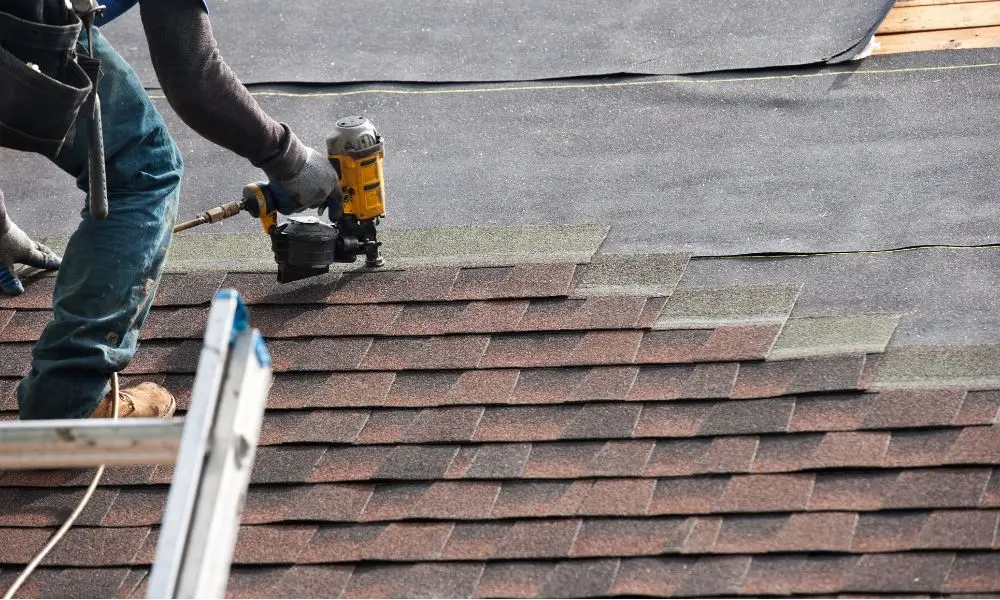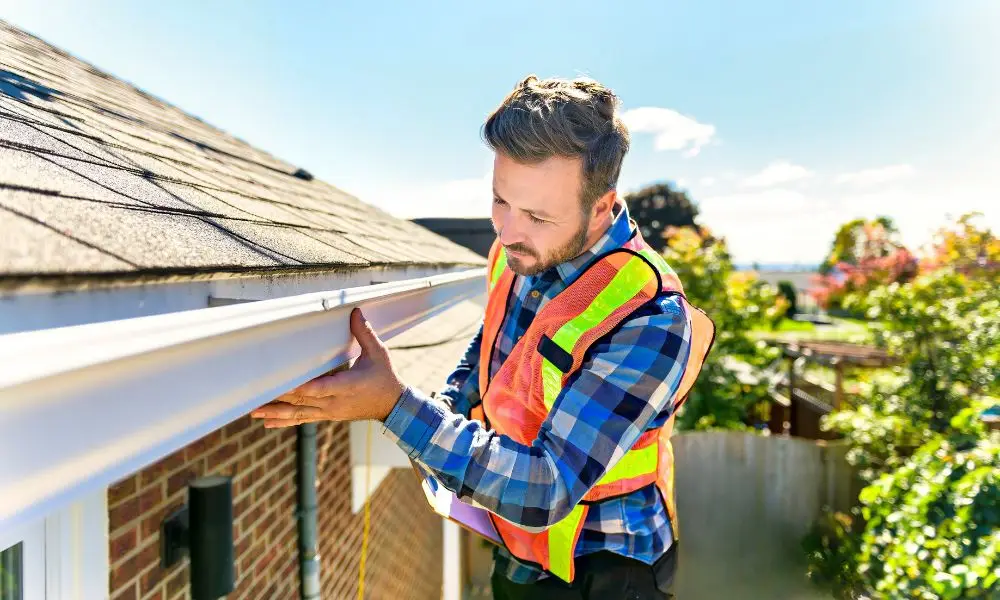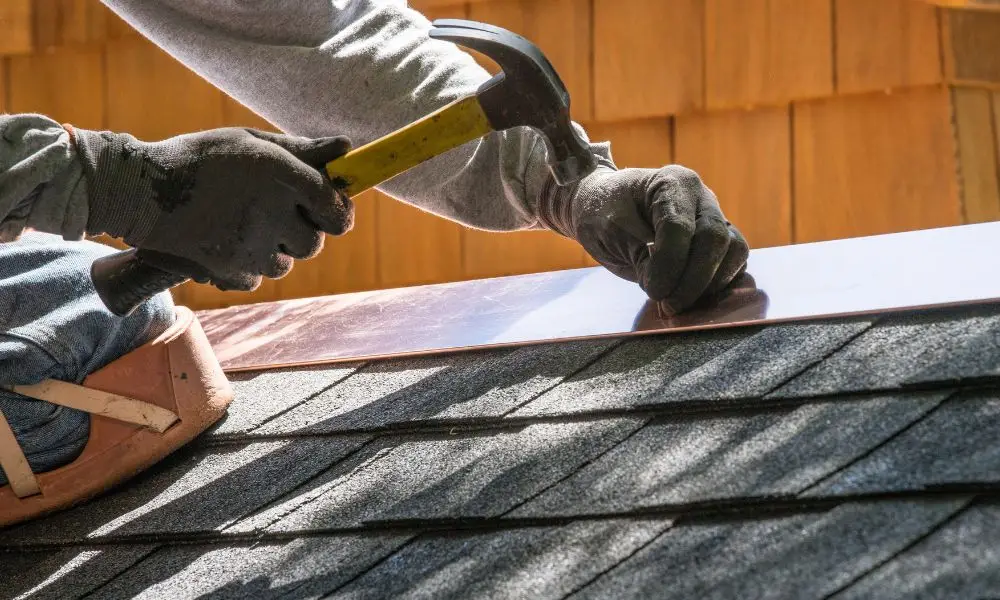
Roof flashing is a vital part of a home’s water-defence system. Installed around chimneys, vents and roof-to-wall junctions, it channels water away from vulnerable points. This guide explains why flashing matters, the main types and durable materials, plus installation best practices and common problems to watch for. Understanding flashing helps homeowners prevent costly water damage, roof leaks, and preserve their property’s structural integrity.
What Is Roof Flashing and Why Is It Critical for Home Protection?
Roof flashing consists of thin metal or other waterproof components that seal roof joints to stop water entry. Its main role is to channel water away from junctions so rain, snow and ice cannot penetrate. Properly installed flashing reduces leaks that cause interior water damage and roof leaks. Missing or damaged flashing can lead to rot in roof framing and walls, mold, and harm to insulation and ceilings over time.
Flashing is often hidden from view, but its impact is visible when it fails: peeling paint around eaves, damp spots on interior walls, and slow-growing stains in attic spaces are common early indicators. Because problems can begin subtly, understanding where flashings are located and what they look like helps homeowners spot issues before they escalate into structural repairs.
How Does Roof Flashing Prevent Water Damage?
Flashing prevents water damage by forming a watertight barrier at likely leak points such as chimneys, skylights and roof intersections. Correct installation directs runoff over joints and away from seams, preventing pooling and seepage. Regular checks, especially after storms, help homeowners spot issues early and avoid extensive interior damage.
Well-installed flashing works with roofing shingles or other coverings to create overlapping layers that shed water. The principle is straightforward: if water is always guided over the exterior surface and away from vulnerable seams, it cannot follow capillary paths into wall cavities or attic spaces. This layering approach is why many installation instructions emphasise correct sequence and overlap of materials.
Because flashing is so important, work with experienced professionals to ensure a durable installation. Red Beard Roofing provides high-quality flashing installation services to help protect your home from water damage and minimize roof leaks.
What Are the Main Types of Roof Flashing and Their Uses?
Several flashing types serve specific roofing situations. Knowing these differences helps homeowners choose the right installation and maintenance approach.
- Step Flashing: This type is used at roof-wall junctions, providing a waterproof barrier by overlapping the roofing material. Each piece of flashing is installed in a step-like fashion.
- Chimney Flashing: Specifically designed to direct water away from chimney structures, it typically includes a saddle and a counter flashing.
- Vent Flashing: This flashing is used around plumbing and vent stacks, sealing the junction between the roof and these protruding fixtures to prevent leaks.
Beyond these common types, flashing also includes valley flashing, drip edge flashing, counterflashing, and skylight-flashing systems. Each type addresses a particular geometry or movement where the roof meets another component. For example, valley flashing handles the concentrated flow where two roof planes meet, while drip edges protect the eaves and guide water into gutters.
How Is Step Flashing Installed at Roof-Wall Junctions?
Step flashing is fitted in alternating layers along the roof-wall junction. Each piece should extend up the wall and tuck beneath the roofing so water flows down and over the overlapping sections. Correct placement prevents moisture entering the wall cavity and improves the roof’s overall durability. This step is crucial when ensuring proper flashing roof installation to maintain waterproof integrity.
When installing step flashing, it is important to cut and fit each piece accurately so the flashing lies flat against both wall and roof. Fastening should be minimal and sealant applied only where needed to avoid trapping moisture. A careful installation will account for seasonal movement of materials and provide an even overlap so that each piece sheds water onto the one below it.
What Is Chimney Flashing and How Does It Protect Your Roof?
Chimney flashing uses metal fittings to seal where the chimney meets the roof. The saddle directs water over the chimney while counterflashing protects the joint. Without adequate chimney flashing, water can run behind the chimney and cause structural damage. Proper installation and periodic inspections keep it effective and extend its service life.
Chimney flashing often requires both a base flashing set into the roof and a counterflashing that is embedded into the chimney masonry or attached to the chimney with an appropriate sealant. Because chimneys and roofs can settle separately over time, allowing for movement within the flashing layout helps prevent cracks and gaps that lead to leaks and roof leaks.
Which Roof Flashing Materials Offer the Best Durability and Protection?
Choosing the right flashing material affects longevity, corrosion resistance and appearance. Different materials suit different budgets and climates.
- Aluminum Flashing: Lightweight and resistant to corrosion, aluminum flashing is easy to work with and widely used in residential applications.
- Copper Flashing: Known for its durability and resistance to rust, copper flashing can last for decades and offers a distinctive aesthetic that often enhances property value.
- Lead Flashing: Although heavy, lead flashing provides excellent protection and longevity. However, it may have environmental concerns and is less frequently used due to regulatory restrictions.
Other materials, such as stainless steel or specialized alloys, are available in some regions and may be recommended where long-term corrosion resistance is essential. Choice of material often depends on nearby roofing materials as well; for example, caution is needed when placing dissimilar metals together due to the risk of galvanic corrosion. Matching materials where possible or using appropriate isolating underlays can avoid these issues.
What Are the Benefits of Metal Flashing Materials?
Metal flashings, including aluminum and copper, are popular because of their durability, longevity, and low maintenance requirements. They can withstand harsh weather conditions while resisting rust and corrosion, helping protect the roof for many years.
Copper flashing is known for its exceptional lifespan and develops a natural patina over time, which many homeowners find attractive. Aluminum flashing is a lightweight and cost-effective option that provides reliable protection, though it may be more susceptible to physical damage in areas with frequent foot traffic.
Are Eco-Friendly and Advanced Alloy Flashings Available?
Manufacturers now offer eco-friendly flashing options made with recycled content and advanced alloys. These products aim to match traditional materials’ durability while reducing environmental impact, allowing homeowners to lower their footprint without sacrificing performance.
Choosing recycled-content products can be part of a broader sustainable roofing strategy that includes recycled shingles, energy-efficient membranes, and waste minimization during replacement. Discussing options with a contractor helps balance environmental goals with the practical needs of your property and climate.
How Is Roof Flashing Installed: Best Practices and Expert Techniques?
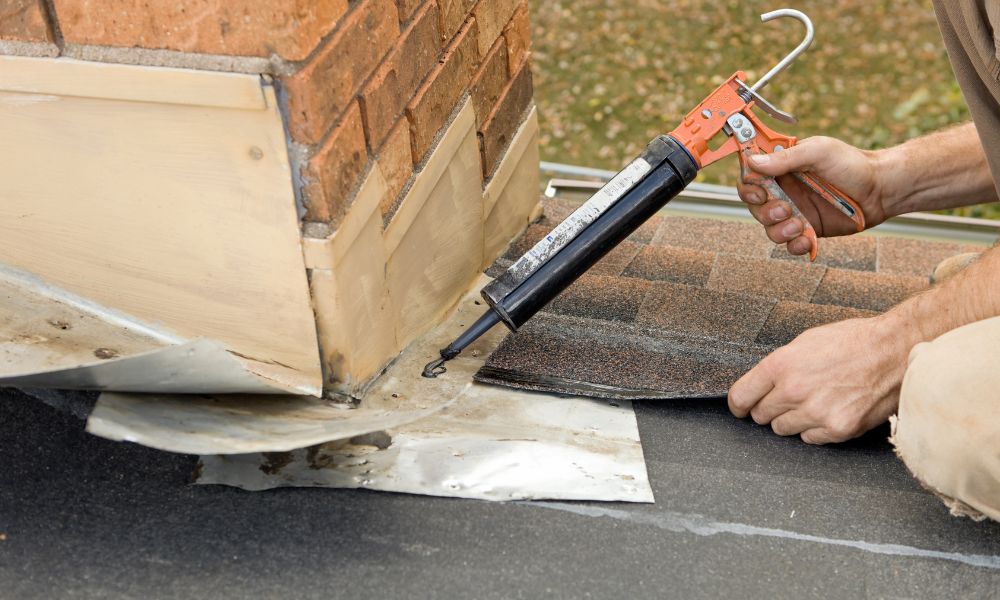
Careful attention to detail and established best practices are essential for effective flashing installation. If you prefer professional help, Red Beard Roofing offers comprehensive roofing services to ensure correct installation and long-term protection.
- Ensure Proper Overlap: Each piece of flashing must overlap the section below it to create a continuous barrier that redirects water away.
- Use Appropriate Sealants: High-quality roofing adhesives or sealants should be used to secure each piece of flashing in place adequately.
- Regular Inspections: Routine checks should be conducted, particularly after severe weather, to identify signs of wear or damage that could lead to roof leaks.
Beyond overlap and sealants, skilled installers plan for thermal movement, wind uplift and potential ice build-up. Flashing must be integrated with shingles, underlayment and other roofing components so water follows a single intended path. Improper sequencing, such as installing flashing before the correct underlayment, can trap water and accelerate failure.
What Tools and Materials Are Required for Proper Installation?
Installing roof flashing requires essential tools such as a measuring tape, utility knife, hammer, nails, and roofing sealant to ensure a precise fit and watertight seal. Professional installers may also use metal snips and bending tools to create custom flashing pieces for complex roof areas. Having the right tools helps improve installation accuracy, reduces the risk of leaks, and contributes to the long-term performance of the roofing system.
How Does Red Beard Roofing Ensure Quality Flashing Workmanship?
Red Beard Roofing follows strict quality checks during flashing projects. Our experienced team inspects before, during and after installation to confirm correct placement and secure fastening. We prioritise skilled workmanship and reliable materials to meet our standards and protect homes from water damage and roof leaks.
Our process typically includes documenting the flashing details and providing customers with a clear explanation of the materials used, the expected maintenance, and any warranty information. Clear communication and visible quality checks give homeowners confidence in the work and make future inspections more straightforward.
What Common Roof Flashing Problems Should Homeowners Watch For?
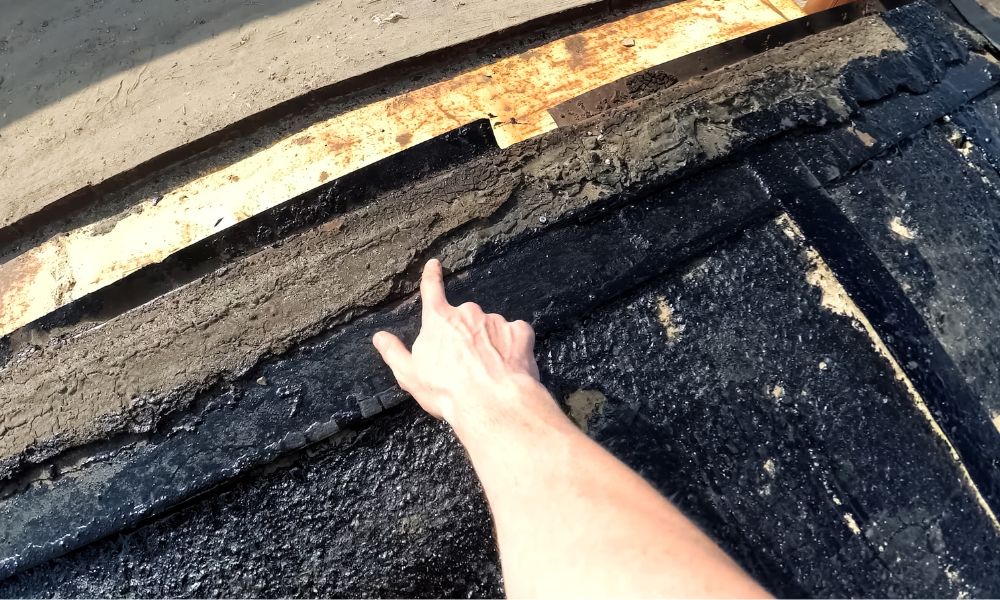
Homeowners should watch for common flashing issues and address them early to prevent major damage and costly repairs.
- Improper Sealing: Flashing can begin to separate from the roof or walls, allowing water to infiltrate and cause roof leaks.
- Corrosion or Deterioration: Over time, flashing materials can degrade, especially if exposed to harsh environmental conditions.
- Debris Buildup: Leaves, dirt, or other debris can obstruct water flow and lead to pooling, increasing the risk of leaks.
Other issues include loose fasteners, incorrectly lapped seams, and damage caused by foot traffic or maintenance work on the roof. Identifying the specific cause of flashing failure informs whether a local repair will suffice or whether a full replacement is warranted.
How Can You Detect Roof Flashing Leaks and Damage Early?
Regular inspections can help homeowners identify flashing problems before they lead to costly damage. Look for signs of rust, corrosion, gaps, loose flashing, or standing water around roof features. Inside the home, water stains on ceilings or walls may indicate a flashing-related leak or roof leaks.
During rainfall, observe how water drains from the roof and watch for unusual pooling or runoff patterns. For safer inspections, use binoculars to examine flashing from the ground and take photos of any areas of concern. Tracking changes over time can help detect developing issues and make professional assessments easier.
When Is Roof Flashing Repair Needed and What Does It Involve?
Repair is needed when leaks or damage appear. Typical procedures include re-sealing gaps with high-quality sealant, replacing severely corroded or damaged pieces, and scheduling routine maintenance to preserve flashing integrity over time.
Minor repairs might involve replacing short sections of flashing or re-bedding counterflashings. Major repairs or full replacements are necessary when large areas show corrosion, when movement has stressed seams, or when the flashing material is incompatible with surrounding elements. A professional assessment will weigh repair costs against long-term performance and durability to recommend the best course of action.
How Do Roof Flashing Costs Vary by Materials and Installation Services?
Flashing installation costs vary depending on the material selected and the complexity of the installation. Factors such as material type, roof geometry, and local labor rates all play an important role in determining the final price.
The type of flashing material chosen can significantly affect overall costs. Common options include aluminum, copper, and lead, each offering different levels of durability, performance, and price.
Premium materials typically come with higher upfront costs but may provide longer-lasting protection.
Installation complexity is another major consideration. Roofs with multiple angles, valleys, chimneys, skylights, or other intersections often require custom flashing solutions and more detailed workmanship. As a result, labor costs tend to increase when flashing must be carefully fitted around complex roof features.
Geographic location can also influence the cost of flashing installation. Labor rates vary from region to region based on market demand, contractor availability, and local economic conditions. Areas with a higher cost of living or a shortage of skilled roofing professionals may have higher installation rates.
When reviewing estimates, homeowners should expect quotes to reflect both material expenses and the time required to properly integrate flashing with the existing roofing system. For example, retrofitting precise counterflashing into existing masonry is often more labor-intensive than installing new flashing on a simple roof plane. Requesting a detailed breakdown of material and labor costs can make it easier to compare quotes and evaluate the value offered by different contractors.
What Influences the Cost of Roof Flashing Installation?
Price drivers include material costs, premium choices like copper carry higher upfront costs but greater longevity, skilled labour for correct installation, and accessibility, since roof height and slope affect time and effort required.
Hidden factors may include the need to repair rotted decking found once flashing is removed, the requirement for scaffolding or safety rigging, and disposal or recycling of old materials. Ensure quotes mention these possibilities and how they would be handled should they arise during the work.
How Can Homeowners Request Reliable Quotes from Red Beard Roofing?
To request a reliable quote from Red Beard Roofing, follow these steps:
- Contact Us Directly: Reach out to Red Beard Roofing through our contact number, 615-680-ROOF (7663), to discuss your needs.
- Provide Details: Give specifics about your property and the scope of the project to ensure an accurate estimate.
- Expect a Comprehensive Quote: We will prepare a detailed quote, outlining all anticipated costs for materials and labor so you know what to expect.
When requesting quotes, provide photos of the roof area if possible and note any recent leaks, repairs, or unusual roof access.
How Does Roof Flashing Compare to Other Roof Waterproofing Techniques?
Flashing is designed to seal joints, transitions, and other vulnerable areas where water intrusion is most likely to occur. While waterproofing membranes protect larger roof surfaces, flashing provides targeted protection in critical locations.
Sealants can enhance waterproofing performance, but they typically do not offer the same durability as properly installed flashing. As part of a complete waterproofing system, flashing works alongside membranes and sealants to help prevent leaks and protect the roof from moisture damage.
Why Is Roof Flashing a Preferred Method for Leak Prevention?
Flashing is preferred because it targets critical joints and channels water away from vulnerable points. When combined with regular inspections and maintenance, it effectively prevents the extensive damage leaks can cause, reducing the risk of roof leaks.
The targeted nature of flashing makes it cost-effective when used correctly: rather than sealing entire roof surfaces with additional membranes or coatings, flashing reinforces the most vulnerable locations, allowing the overall system to perform efficiently while minimising material use.
Can Roof Flashing Be Combined Effectively with Other Waterproofing Methods?
Flashing pairs well with other waterproofing measures. Using sealed membranes and additional barriers where needed creates layered protection that addresses potential weak points in a roof’s design.
Layered protection is particularly valuable in climates with heavy precipitation or freeze-thaw cycles. Combining methods, such as a high-quality underlayment, membrane where needed, and correctly detailed flashings, creates redundancy so that if one element is breached, others mitigate interior exposure.
Where Can Homeowners Find Expert Roof Flashing Services and Support?
To find expert flashing services, look for contractors with proven records in installation and maintenance. Finding the right roofing contractor is essential to ensure your home is properly protected.
Seek contractors who provide references, documented warranties, and clear, written proposals. Ask about their experience with the specific flashing materials and roof types on your home. Contractors who explain common failure modes and show examples of previous work are often the best choice for durable solutions.
What Makes Red Beard Roofing a Trusted Provider of Roof Flashing Solutions?
Red Beard Roofing is known for its commitment to quality and customer satisfaction. Our team follows best practices for flashing installation and uses high-quality materials tailored to each project’s needs, delivering comprehensive, reliable solutions.
Customer-focused practices include transparent pricing, clear communication about timelines, and post-installation guidance on maintenance. We aim to leave homeowners informed about how the flashing system works and what to expect in terms of appearance and upkeep.
Frequently Asked Questions
What Signs Indicate That Roof Flashing Needs Replacement?
Rust, corrosion, gaps, loose sections, and interior water stains are common signs that roof flashing may need replacement.
How Can Homeowners Perform DIY Maintenance on Roof Flashing?
Inspect flashing regularly, remove debris, and seal minor gaps. Contact a roofing professional if significant damage is found.
What Impact Does Climate Have on Roof Flashing Durability?
Weather conditions such as heavy rain, snow, extreme heat, and coastal salt exposure can reduce flashing lifespan and increase maintenance needs.
What Are the Typical Costs Associated with Flashing Repairs?
Most flashing repairs cost between $200 and $800, depending on the extent of damage, materials used, and labor requirements.
Are There Any Special Considerations for Installing Flashing on Flat Roofs?
Yes. Flat roofs require proper drainage, durable waterproof materials, and regular inspections to prevent leaks caused by standing water.
What Should Homeowners Do If They Discover a Leak Near Flashing?
Inspect the area, apply a temporary waterproof patch if necessary, and contact a roofing professional for a permanent repair.
Conclusion
Roof flashing is central to protecting your home from water damage. Using quality materials and correct installation extends service life and reduces maintenance costs. Regular inspections catch issues before they escalate. For professional, reliable roofing solutions, contact our team today.
Investing in well-detailed flashing pays off in reduced repair bills and improved home comfort. Whether you are planning new work or maintaining an existing roof, clear communication with your contractor and a basic understanding of flashing types will help you make durable, cost-effective choices that protect your property for years to come.
If you are dealing with flashing leaks or storm damage, you might be wondering about financial protection. For a complete breakdown of when your homeowner’s policy steps in, read our guide here. This resource outlines exactly how to navigate the claims process, handle sudden storm perils, and successfully work with insurance adjusters to secure full repair coverage.