A new roof can meaningfully increase a home’s value, yet many homeowners are unsure of the return on investment. When planning a replacement, assess the financial implications alongside energy performance, appearance, and structural soundness. This article explains how a new roof can boost resale value, the benefits of energy-efficient materials, and the role of roof condition. It also covers replacement costs, how materials affect value, and why working with experts such as Red Beard Roofing helps maximise ROI.
Understanding New Roof Replacement Costs and Budget Considerations
Understanding replacement costs is essential for owners aiming to improve property value. Costs depend on material choice, labour, and roof size. On average, a full replacement ranges from $8,000 to $15,000, with regional factors causing variation. Reviewing these elements lets homeowners make informed timing and budget decisions.
Several specific cost drivers can influence the price beyond material and labour. Permit fees vary by municipality and may be required for a full replacement. The complexity of the roof, number of valleys, hips, dormers, chimneys and penetrations, raises labour hours and material waste. Accessibility matters: steep pitches or limited staging access increase safety requirements and time on site. The decision to do a full tear-off rather than an overlay affects disposal costs and the chance to identify hidden structural issues.
Unexpected repair work can add to the bill: replacing rotten decking, upgrading flashing, repairing or replacing skylights, or addressing inadequate ventilation. A thorough pre-installation inspection reduces surprises, and written estimates that separate material, labour and contingency items help homeowners compare bids fairly.
| Material | Cost Range | Lifespan |
|---|---|---|
| Asphalt Shingles | $3,000 – $7,000 | 15-30 years |
| Metal Roofing | $5,000 – $15,000 | 40-70 years |
| Tile Roofing | $12,000 – $25,000 | 50+ years |
The table summarises common materials, typical cost ranges, and expected lifespans to help homeowners compare options. Use these figures as starting points; for a reliable budget, obtain on-site quotes that account for roof complexity and local labour rates.
Choosing the Best New Roof Materials for Long-Term Value
Material choice affects cost and long-term value. Each option offers different benefits and trade-offs in durability, appearance, and energy performance. Common choices include asphalt shingles, metal roofing, and tile.
When choosing, weigh lifespan, warranty, and energy ratings, they drive long-term value. Shingles cost less but have shorter lifespans, while metal and tile roofs deliver greater durability and often higher resale value.
Consider these practical questions when comparing materials: How will the roof age visually over time? What maintenance does each material require? Does the property need extra structural support for heavier materials such as tile? Are there local aesthetic guidelines or homeowners association rules? Also review the warranty, some manufacturers offer transferable warranties which can be an asset at resale.
Key Benefits of Investing in a New Roof for Your Home
A new roof improves curb appeal, strengthens the structure, and can lower energy costs, advantages that support higher property value.
- Increase in Property Value: A new roof is an attractive selling point, providing potential buyers with peace of mind regarding future maintenance costs.
- Energy Efficiency Improvements: Newer roofing technologies introduce better insulation and energy-efficient materials, lowering overall energy bills.
- Curb Appeal Enhancements: A fresh roof can significantly improve a home’s exterior aesthetic, making it stand out positively in the real estate market.
Professional installation and quality materials from firms like Red Beard Roofing further secure these benefits by ensuring correct fitting and long-term performance.
Other practical benefits include reduced risk of leaks and water damage, fewer emergency repairs, and often improved safety for occupants and contractors working on the structure. In some cases a newer roof can lower insurance premiums or make a property eligible for certain financing or warranty transfer programmes, all of which support marketability.
How a New Roof and Roof Condition Affect Your Home’s Sale Price
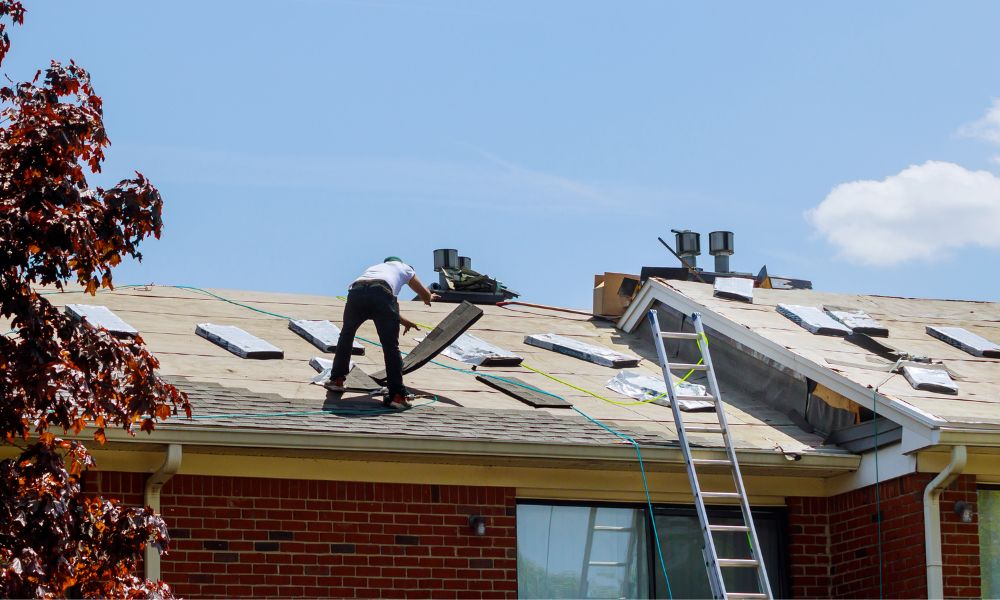
Several factors determine how much a new roof will affect resale value: the prior roof’s condition, the quality of the new materials, and local market trends.
Timing of the replacement matters. If the roof is replaced shortly before a sale, buyers are likely to view it as a recent improvement and may be willing to pay a premium. Conversely, if neighbours in the same price bracket expect higher-end materials, choosing a basic option may not improve relative value as much. Documentation, receipts, warranties, permit sign-offs and inspection reports, helps appraisers and buyers verify the work and increases trust.
Consider resale comparables. If similar homes in your area predominantly have long-lasting materials such as tile or metal, matching that standard may yield better results. Local climate and common local practices influence buyer expectations about what constitutes a valuable roof in any given neighbourhood.
Important Factors That Influence Home Resale Value After a New Roof Installation
Roof condition strongly influences sale price: well-kept roofs usually command higher offers than comparable homes that need immediate repairs.
Buyer impressions at showings and appraisal findings matter; visible roofing issues can reduce offers and increase inspection or repair costs, deterring buyers.
Sellers who can present a recent inspection report or a transferable manufacturer warranty reduce perceived risk for buyers. Conversely, evidence of deferred maintenance, missing shingles, granule loss, sagging areas or active leaks, can lead to lower offers or demands for concessions. Real estate professionals often advise replacing or repairing roofs when the anticipated reduction in sale price or difficulty finding buyers exceeds replacement costs.
How Does a New Roof Increase Your Home’s Resale Value?
A new roof can deliver a substantial return. Homeowners often recoup a significant portion of the investment,typically in the 70–80% range,depending on material choice and market demand.
What Return on Investment Can You Expect from a New Roof?
Studies indicate homeowners generally recover about 70–80% of roof replacement costs when selling. Local demand and neighbourhood conditions influence the exact return.
ROI is affected by visible quality, perceived longevity and whether the upgrade addresses an immediate buyer concern. A higher-end material that is more durable can produce a better long-term return if it aligns with buyer expectations in the target market. Proper documentation and warranties also contribute to a stronger buyer perception, which helps the seller capture a larger share of the investment.
How Does Roof Condition Affect Home Sale Price?
Data show that homes with recent roof replacements sell for higher prices than similar homes with older roofs, highlighting the role of roof condition in valuation.
In addition to direct price effects, roof condition influences time on market. Homes with problem-free exteriors often spend less time listed, attract more competitive offers and minimise negotiation on repair credits. Preparing a summary of the recent work and providing inspection certificates at listing can improve buyer confidence and streamline the sale.
Which Roofing Materials Add the Most Value to Your Home?
To maximise value, prioritise durability, insulation performance, and reasonable installation costs when selecting materials.
- Metal Roofing: Although this type is typically more expensive, it offers a lengthy lifespan and superior energy efficiency, contributing positively to property value.
- Tile Roofing: Known for its durability and aesthetic appeal, tile roofing can add significant resale value; however, it can also be costly upfront.
- Asphalt Shingles: Being the most commonly used roofing material, the affordability may make them appealing, but they provide a shorter lifespan compared to metal and tile options.
Each option has trade-offs. Metal typically provides low maintenance, good reflectivity and a modern or traditional look depending on profile; tile is prized for its classic appearance and longevity but adds weight; asphalt shingles have the lowest initial cost and a wide range of styles but require replacement sooner. Consider appearance, local preferences, and total cost of ownership rather than only upfront price.
How Do Asphalt Shingles Compare to Metal Roofing in Value Enhancement?
While asphalt shingles are less expensive upfront, metal roofing typically offers longer life and better energy performance. Compare initial cost against expected lifespan and energy savings to decide.
For buyers focused on low maintenance and long-term savings, metal can be a compelling feature. For sellers seeking a lower initial investment with adequate curb appeal, architectural asphalt shingles may be the better short-term play. Think about expected ownership period: if a homeowner plans to sell within a few years, the cost-benefit analysis shifts differently than for someone who will remain in the home long-term.
What Are the Energy Efficiency Benefits of Different Roofing Materials?
Energy-efficient roofs reduce heating and cooling costs; for example, reflective metal roofs lower cooling expenses by reflecting sunlight. Some energy-efficient options may also qualify for tax incentives, increasing their financial appeal.
Homeowners interested in improving energy efficiency can review the U.S. Department of Energy’s guidance on cool roofs and energy-saving roofing materials.
Energy performance depends on multiple factors beyond the roof covering: attic insulation levels, ventilation, underlayment materials and the presence of radiant barriers all influence the house’s thermal balance. A cooler roof surface reduces heat transfer into the attic during summer, easing cooling loads; in colder climates, a properly installed roof that minimises heat loss supports winter comfort and efficiency.
What Are the Current Roof Replacement Costs in 2026?
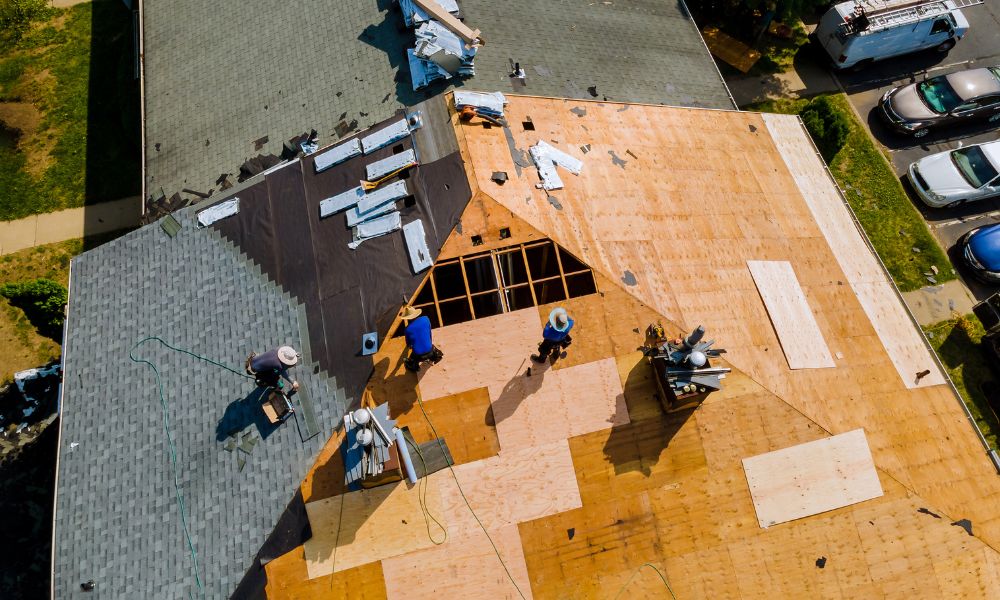
As of 2023, replacement costs vary widely by material, labour rates, and regional demand. Prices reflect the quality and complexity of the new roof.
Since costs evolve with material markets and labour availability, homeowners should obtain recent local quotes. Supply chain disruptions, local construction demand and seasonal scheduling can affect lead times and pricing. Comparing several reputable contractors and asking for itemised estimates helps identify outliers and ensures apples-to-apples comparisons.
How Do Installation Costs Vary by Material and Roof Size?
Installation costs change with material choice and the roof’s square footage. Lighter, simpler materials usually cost less to install, making them common for budget-conscious projects.
Additional cost factors include underlayment type, ice-and-water shield in cold climates, ridge ventilation systems, and the need to replace or upgrade roof decking. Complex roof geometries and multi-level roof planes increase labour time and waste, which shows up on the final invoice.
Are There Additional Expenses for Roof Inspections and Maintenance?
Yes. Plan for regular inspections and preventive maintenance to protect the investment; early detection of issues can avoid costly emergency repairs.
Budget separately for periodic inspections, gutter maintenance, moss or algae treatment where applicable, and small repairs such as replacing flashings or a handful of damaged shingles. These smaller investments extend the functional life of the roof and maintain curb appeal between major replacements.
How Does the Roof Installation Process Impact Home Value?
Correct installation affects roof longevity and its contribution to home value. Professional workmanship ensures performance and preserves resale appeal.
What Steps Does Red Beard Roofing Follow for Expert Installation?
Red Beard Roofing follows a structured installation process: thorough assessments, careful material selection, and experienced workmanship to deliver a durable roof with long-term value.
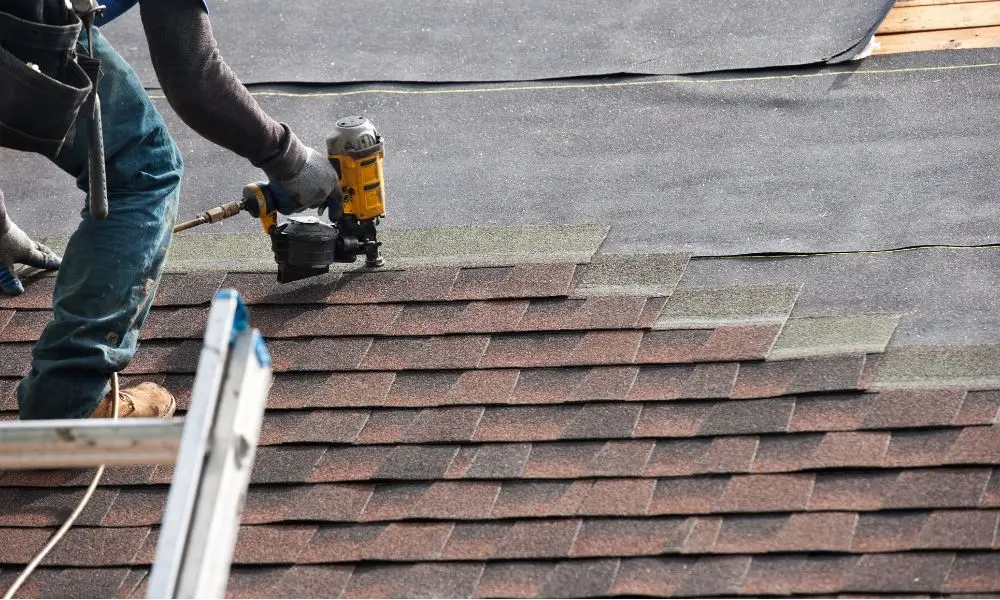
Typical steps include an initial inspection and measurement to identify structural issues and determine the scope, removal of old materials if necessary, replacement or repair of damaged decking, installation of high-quality underlayment and flashing, placement of the chosen roof covering, and installation of ventilation and ridge elements as required. A final inspection and a documented handover with warranty and care instructions complete the process.
Why Is Transparent Quoting and Scheduling Important for Homeowners?
Clear quotes and scheduling build trust and reduce surprises. Knowing timelines and costs improves the homeowner experience and satisfaction with the finished roof.
Ask for written scopes of work, a clear payment schedule, and a timeline that accounts for weather contingencies. Contractors who communicate promptly and provide references, permit handling and disposal plans reduce the administrative burden for the homeowner and help the project proceed smoothly.
What Are the Benefits of Energy Efficient Roofs for Your Home?
Energy-efficient roofs cut utility costs, lower environmental impact, and can increase marketability and resale value.
- Utility Cost Savings: Homeowners with energy-efficient roofs often report reductions in heating and cooling expenses.
- Environmental Impact: These roofs contribute to lower carbon footprints, appealing to eco-conscious homeowners.
- Increased Property Value: Energy efficiency can make homes more desirable, resulting in higher resale values.
Energy-efficient options include reflective coatings, cool-colour shingles, metal panels with high solar reflectance and proper attic insulation and ventilation. The combined effect of material choice and good attic practice yields the best outcome. For sellers, highlighting energy-saving features in listings and providing recent utility comparisons or energy audits can increase buyer interest.
How Can Energy Efficient Roofing Reduce Utility Costs?
Installing reflective shingles or other energy-efficient materials improves insulation and reflects sunlight, which can lower heating and cooling costs.
Additionally, sealing attic bypasses and improving insulation levels often accompany roof work. These complementary measures ensure that the investment in a high-performance roof actually translates to lower energy consumption rather than simply shifting heat patterns inside the home.
What Warranties Support Energy Efficient Roof Installations?
Many energy-efficient products include manufacturer warranties that guarantee performance; review warranty terms to understand coverage and duration.
Some warranties cover material defects while others cover specific performance characteristics for a set period. Installer warranties or workmanship guarantees are equally important, ensure the contractor provides written confirmation of their coverage and any conditions that could void it, such as improper ventilation or failure to perform recommended maintenance.
When Should Homeowners Consider Roof Inspections and Maintenance for ROI?
Regular inspections and maintenance preserve roof value. Aim for at least one inspection per year, and check after major storms.
How Do Roof Inspections Prevent Costly Repairs and Preserve Value?
Thorough inspections spot early damage so homeowners can address problems before they grow, extending roof life and protecting property value.
A typical inspection looks for missing or damaged shingles, loose or corroded flashings, clogged gutters, signs of water intrusion in the attic and adequate ventilation. Documenting each inspection with dated photos and a short report helps track wear patterns and supports claims if a defect appears later.
What Maintenance Practices Extend Roof Lifespan and Enhance Resale Value?
Routine tasks, cleaning gutters, replacing damaged shingles, and ensuring proper ventilation,help maintain durability and support resale value.
Additional useful practices include trimming overhanging tree branches to reduce debris and abrasion, removing moss or algae where it accumulates, keeping valleys and drains clear, and ensuring roof penetrations are properly sealed. Small, preventative expenditures typically cost far less than repairs for water damage or structural rot that can result from prolonged neglect.
How Does Red Beard Roofing Ensure Quality and Customer Satisfaction?
Red Beard Roofing maintains professional standards and uses client feedback to ensure consistent quality and satisfaction.
What Credentials and Experience Does Red Beard Roofing Bring to Your Project?
With a focus on lead generation and expertise in roofing services, Red Beard Roofing has a team of skilled professionals who deliver quality workmanship and attentive customer care.
Homeowners should ask contractors about licencing, insurance, examples of recent projects in similar neighbourhoods and details of manufacturer certifications. Contractors who partner with reputable manufacturers and provide clear warranty documentation are better positioned to deliver predictable outcomes.
How Are Customer Testimonials and Case Studies Used to Demonstrate Reliability?
Testimonials and case studies document past projects and outcomes, helping prospective clients evaluate the firm’s reliability and work quality.
Look for before-and-after photos, references with contactable past clients, and case notes that describe challenges and solutions for roofs similar to yours. This evidence helps match the contractor’s experience with your project’s requirements and gives confidence in the proposed approach.
What Should Homeowners Know About Roofing Upgrades for Commercial Properties?
Upgrades for commercial buildings often use different materials and meet different performance expectations than residential projects; owners should plan accordingly.
- Cost vs. Value Analysis: Businesses typically prioritize long-term ROI, making investing in durable materials more appealing.
- Material Choices Impact: Commercial properties often require materials that can withstand heavier usage and environmental stressors.
Commercial roofing frequently relies on membranes, coatings or built-up systems designed for low slopes and high foot traffic. These systems have different inspection and maintenance needs compared with residential roofs. Owners should evaluate life-cycle costs, maintenance schedules and how roof choices interact with HVAC and other building systems.
How Do Commercial Roofing Solutions Impact Property Value Differently?
Commercial roofing must meet higher performance and longevity standards, which can influence property value and marketability in different ways than residential roofs.
For commercial properties, consistent performance and minimised downtime are often more important than curb appeal. A roof that reduces operational disruptions and protects interior equipment adds measurable value to a business. Tenants and buyers factor in maintenance costs and potential capital expenditures when evaluating a commercial property.
What Are Comparative Benefits of Roofing Materials for Commercial Clients?
Commercial clients should compare how materials perform under heavy use and in local conditions; durability and ongoing maintenance costs are key factors.
Consider how warranties, membrane seams and ease of repair affect long-term operating budgets. Some commercial systems are designed for easier patching and longer service intervals, which can lower lifecycle expenses and make buildings more attractive to investors.
Frequently Asked Questions
What factors should I consider when deciding to replace my roof?
Consider the roof’s age and condition, material type, visible damage, and your budget. Factor in expected lifespan, energy efficiency ratings, and local resale trends. A professional consultation can provide tailored recommendations for your home and financial goals.
Are there financing options available for roof replacements?
Yes. Many contractors offer financing options such as instalment plans and home improvement loans. Compare terms carefully and review interest rates, fees, and repayment conditions before choosing a plan.
How does the color of roofing materials affect my home’s value?
Colour affects curb appeal and energy performance. Lighter colours reflect sunlight and can reduce cooling costs; darker tones may absorb heat but can enhance visual appeal. Choose a colour that suits local preferences and your home’s style to support resale value.
What are the risks of delaying a roof replacement?
Delaying replacement risks structural damage, higher repair costs, leaks, and mould. These issues reduce usability and property value, and can lead to more expensive emergency repairs later.
In addition, a roof in poor condition complicates sale negotiations and can lengthen time on market. Addressing problems proactively typically preserves value and reduces long-term expense.
How often should I inspect my roof?
Inspect at least once a year and after major storms. Regular checks catch minor problems like missing shingles or debris before they become costly repairs.
What warranties should I look for when replacing my roof?
Review both manufacturer and installer warranties, including coverage, exclusions, and duration. Check whether warranties are transferable and follow any maintenance requirements to keep coverage valid. Keep copies of all warranty documents for future reference.
Conclusion
A new roof enhances appearance, improves energy performance, and can raise resale value. With potential returns of up to 80% at sale, a well-installed, high-quality roof is a strong investment. Consult professionals like Red Beard Roofing to protect and increase your home’s value and comfort.
Before committing to a replacement, gather multiple estimates, check contractor credentials and warranties, and prioritise work that addresses both immediate problems and long-term performance. Document the work thoroughly to present to potential buyers or appraisers. A thoughtful approach to materials, installation and maintenance helps ensure the roof contributes positively to your property’s value for years to come.
Explore the environmental effects of different roofing options in the full article here.