A roof is more than weather protection; it is a major factor in a home’s environmental footprint and long-term energy performance. This guide explains the environmental impact of roofing choices for Brentwood homeowners, defining key factors like embodied carbon, operational energy use, waste generation, and stormwater effects while showing how material and practice decisions alter those outcomes.
Many property owners face decisions about repair versus replacement, material selection, and disposal practices that affect landfill volumes and household energy bills; this article lays out clear, actionable information to support those choices.
You will learn which materials—metal roofs, cool roofs, green roofs, and recycled shingles—offer the strongest environmental benefits, the role of repair and proper installation in extending lifespan, and how Brentwood’s climate shifts priorities.
What Are the Key Environmental Factors Affecting Roofing Choices?
Roofing decisions influence several measurable environmental factors that determine lifecycle impact and local ecosystem effects. Energy consumption includes both embodied carbon from manufacturing materials and operational energy demand for heating and cooling; reducing either lowers greenhouse gas emissions and household costs. Waste generation is significant for some materials—large volumes of asphalt shingle tear-off often end up in landfills—while pollution and VOC emissions from certain adhesives and coatings can affect indoor and outdoor air quality. Stormwater runoff and urban heat island effects change neighborhood microclimates and local water quality by altering temperature and runoff volumes from roof surfaces.
The following table summarizes principal environmental factors and their typical impacts, helping homeowners prioritize interventions for sustainability. This table condenses the key attributes you should weigh when selecting materials or planning repairs.
| Environmental Factor | What It Measures | Typical Impact Notes |
|---|---|---|
| Energy Consumption | Embodied + operational energy | High-impact materials raise lifecycle emissions; reflective roofs lower cooling loads |
| Waste Generation | Volume of reroofing debris | Asphalt shingles contribute large landfill volumes when not recycled |
| VOC Emissions | Off-gassing from products | Certain sealants and adhesives release VOCs during and shortly after installation |
| Stormwater Runoff | Quantity and quality of roof runoff | Impervious roofs increase runoff and pollutant loads into local waterways |
This comparison shows that energy and waste are often the dominant lifecycle drivers, while VOCs and stormwater effects are actionable through material selection and design. Understanding these factors leads naturally to examining how specific materials perform on these dimensions.
How Do Roofing Materials Influence Energy Consumption and Carbon Footprint?
Roofing materials influence both the embodied carbon in the roof assembly and the building’s operational energy needs through thermal performance, reflectivity, and insulation compatibility. Materials with high recycled content and long lifespans lower lifecycle carbon by reducing frequency of replacement, while high-reflectivity “cool roofs” reduce solar heat gain and cooling demand in hot months. For example, metal roofing typically offers lower embodied emissions per service-year because of longevity and recyclability, whereas asphalt shingles can have lower upfront embodied carbon but higher replacement frequency. Recent research indicates that increasing roof albedo and improving attic insulation together can reduce cooling energy use substantially in climates with hot summers.
A life cycle assessment comparing different roofing materials highlights significant differences in their carbon footprint and embodied energy, with recycling strategies playing a crucial role in mitigating these impacts.
Carbon Footprint and Embodied Energy of Roofing Materials: LCA ComparisonA life cycle assessment (LCA) has been carried out, within a West Australian context, to compare impacts for the roof specification options of: clay tile; concrete tile; and sheet metal. In locations where recycling facilities are unavailable and thus disregarded, it is found that clay tiles have the lowest carbon footprint of 4.4 t of CO2equivalent (CO2e-) and embodied energy demand of 52.7 Mega Joule (MJ) per 100 m2, while sheet-metal roofing has the highest carbon footprint (9.85 t of CO2e-), with concrete roof tiles having the highest embodied energy demand (83 MJ). Findings confirm that a sheet-metal roof can obtain significant carbon and embodied energy saving benefits (i.e. 71–73%) compared to clay tile or concrete roof covers through ongoing encouragement of recycling strategies and increased local recycling facilities able to embrace residual cradle-to-cradle material reuse.
Carbon footprint and embodied energy assessment of roof-covering materials, A Whyte, 2019
These material-performance relationships point to integrated decisions: choosing a durable roof and optimizing the building envelope together produce the largest reductions in lifetime emissions. That integration directs homeowners to evaluate both immediate material attributes and long-term performance tradeoffs.
What Role Does Roofing Waste and Pollution Play in Environmental Impact?
Roofing waste and pollution are critical to lifecycle assessments because disposal and material turnover create persistent environmental burdens. Asphalt shingles account for a major share of residential roofing waste in the U.S., with large volumes sent to landfills when recycling infrastructure is limited, and their bitumen content can release VOCs primarily during manufacturing and installation rather than from wear and tear.
In contrast, metal roofing is generally highly recyclable at end-of-life, often returning to metal supply streams rather than landfill. Responsible disposal pathways—recycling, reprocessing, or repurposing—reduce landfill impacts and lower the overall carbon footprint of roofing projects.
Homeowners can mitigate waste by selecting longer-life materials, using selective reroofing that preserves existing decking, and specifying recyclable components; these choices directly reduce landfill contributions and air quality impacts from volatile compounds. Understanding disposal options motivates repair-first approaches and material choices that favor recyclability.
Which Eco-Friendly Roofing Materials Offer the Best Environmental Benefits?
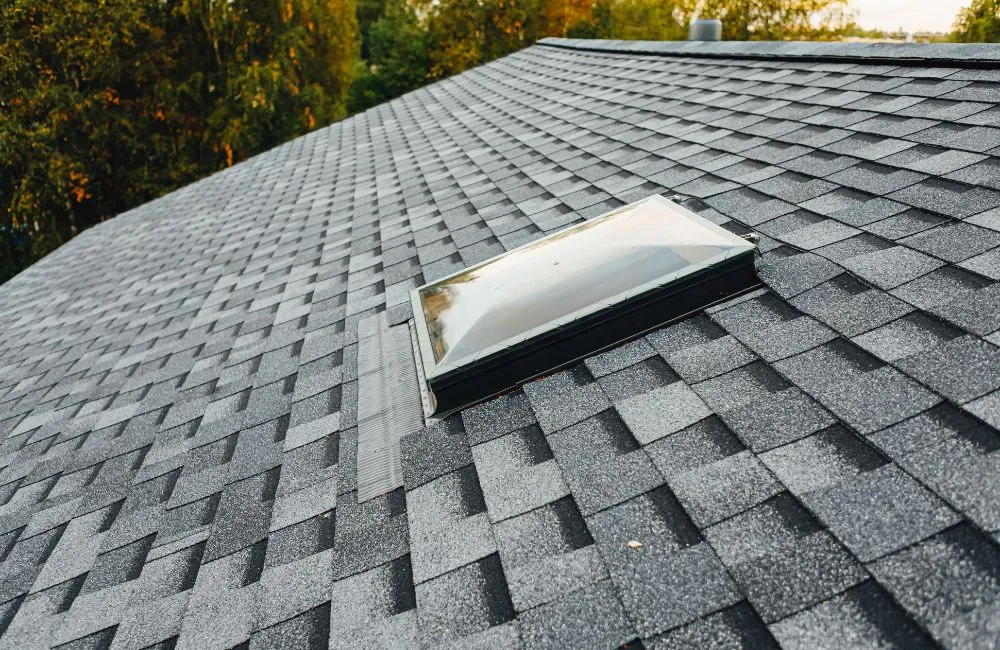
Eco-friendly roofing materials vary by how they reduce emissions, waste, and energy demand; the best choice depends on site conditions, longevity needs, and local climate. Metal roofing, green roofs, cool roof coatings, and recycled-shingle products all present different tradeoffs across lifespan, recyclability, energy performance, landfill impact, and cost.
Comparing these attributes helps homeowners select materials that align with sustainability goals while maintaining resilience in Brentwood’s weather.
| Material | Lifespan | Recyclability | Energy Performance | Typical Cost Impact |
|---|---|---|---|---|
| Metal Roofing | 40–70 years | High (often 90–100%) | Reflective, lowers cooling loads | Higher upfront, lower lifecycle cost |
| Asphalt Shingles (Recycled Content) | 15–30 years | Moderate if recycled | Variable; standard shingles absorb heat | Lower upfront, higher replacement cost |
| Green Roofs | 20–50 years | Plant/soil systems partially reusable | Excellent insulation and stormwater retention | Higher structural/installation cost |
| Cool Roof Coatings | Varies | Depends on substrate | Improves reflectivity and lowers cooling | Moderate retrofit cost |
This table highlights that metal and green roofs often yield the strongest environmental benefits over their service lives, while recycled shingles and cool coatings can be pragmatic, lower-upfront choices when structural constraints exist. The tradeoff analysis emphasizes lifecycle thinking over immediate price comparisons.
Why Is Metal Roofing Considered a Sustainable and Durable Option?
Metal roofing is widely regarded as sustainable because of its long lifespan, high recycled content in many products, and near-universal recyclability at end-of-life, which together lower lifecycle environmental impact per service-year. Metal panels reflect solar radiation, reducing cooling energy demand in hot months, and when combined with proper attic ventilation and insulation they contribute to consistent operational savings. The durability of metal reduces frequency of replacement cycles, translating directly into less waste and lower cumulative embodied carbon compared with shorter-lived materials.
For homeowners prioritizing sustainability and longevity, metal roofing often represents a cost-effective environmental choice over time. For estimates and professional guidance on metal roofing suitability and projected benefits, homeowners can contact Red Beard Roofing.
What Are the Advantages of Green Roofs and Cool Roof Systems?
Green roofs and cool roof systems address operational energy use and stormwater management in different but complementary ways. Green roofs add vegetative layers that provide insulation, reduce heat flux through the building envelope, retain stormwater, and support urban biodiversity, making them valuable on flat or low-slope residential and commercial roofs where structural capacity allows. Cool roof coatings increase surface reflectivity and emissivity, lowering peak roof temperatures and reducing air conditioning loads, which is especially helpful during Brentwood’s hot summers.
Both approaches require maintenance—green roofs need plant care and substrate management, while cool coatings need periodic reapplication—but they deliver measurable environmental benefits in reduced runoff and lower cooling energy. These systems are most effective when integrated into a holistic envelope strategy that includes ventilation and insulation improvements.
How Can Sustainable Roofing Practices Reduce Environmental Impact?
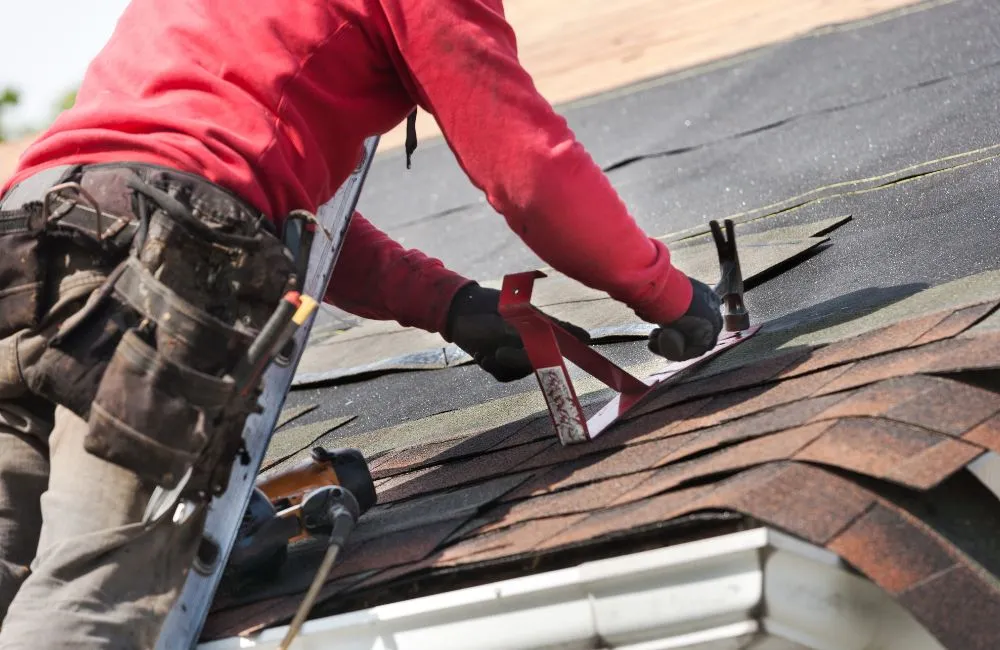
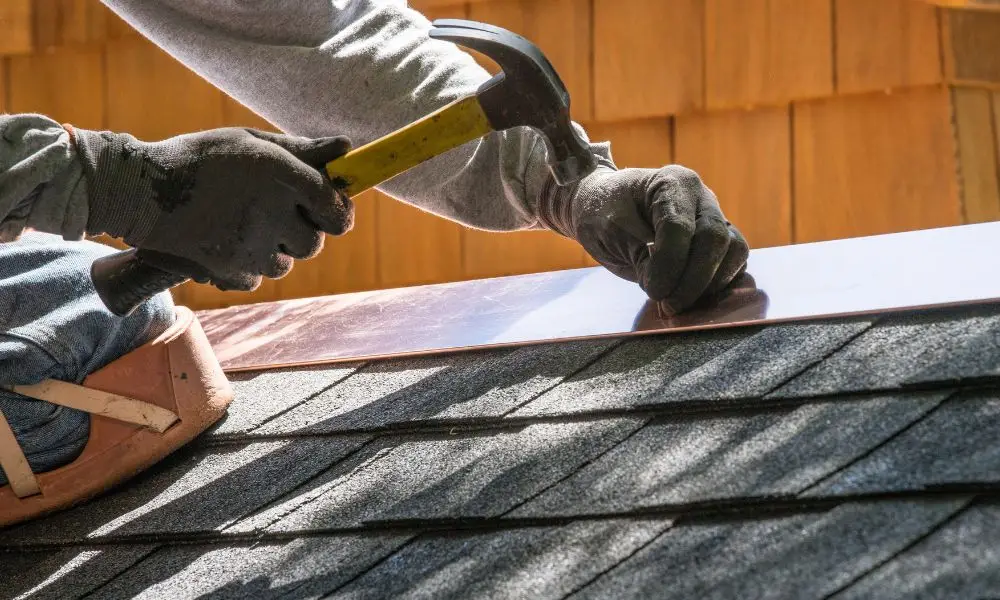
Sustainable roofing practices—repair-first decision-making, preventive maintenance, correct installation, and responsible disposal—can substantially reduce the environmental footprint of roofing over a building’s life. Prioritizing repair extends material service life and delays replacement, cutting waste and embodied emissions. Proper installation and quality workmanship reduce leaks and thermal losses, improving energy efficiency and preventing premature deterioration that would require early replacement.
Homeowners benefit environmentally and economically by adopting straightforward practices that minimize resource use and maximize performance. The table below compares common sustainable roofing practices and their primary environmental benefits to help homeowners prioritize actions.
| Practice | Benefit | Environmental Outcome |
|---|---|---|
| Targeted Repairs | Extends service life | Reduces waste and replacement frequency |
| Preventive Maintenance | Maintains performance | Preserves energy efficiency and material condition |
| Responsible Disposal/Recycling | Diverts landfill waste | Lowers lifecycle emissions and resource extraction |
| Proper Installation | Ensures design performance | Minimizes callbacks and premature replacements |
This comparison shows that combining repair-first culture with professional installation and disposal planning yields the largest environmental dividends. Homeowners can often achieve meaningful impact without full replacement by focusing on these practices.
What Are the Environmental Benefits of Sustainable Roof Repair and Maintenance?
Sustainable repair and maintenance extend a roof’s useful life, delaying the environmental costs of manufacture, transport, and disposal associated with full replacement. Common repairs—flashing replacement, targeted shingle patching, and sealant renewal—address specific failure modes and prevent water intrusion that leads to structural damage, mold growth, and secondary replacement needs. Quantitatively, extending a roof’s life by even a decade can reduce lifetime material consumption and landfill waste by a significant percentage compared to premature replacement cycles.
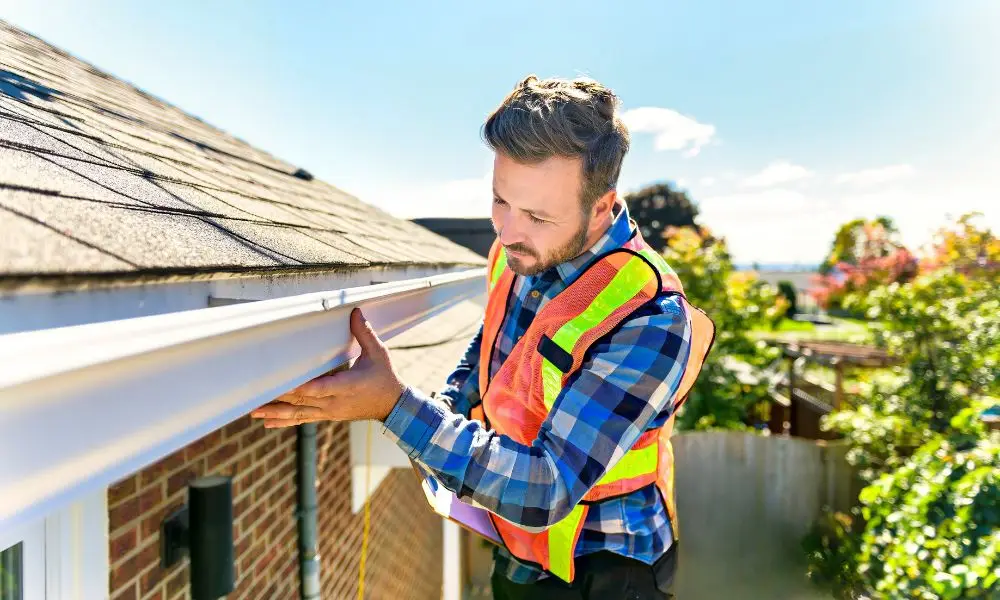
Maintenance routines like regular inspections, clearing debris from gutters, and timely minor repairs help sustain thermal performance and reduce operational energy waste. These practices create a lower-impact path than wholesale replacement and should be the default evaluation when roofs show limited, localized damage.
How Does Proper Installation and Responsible Disposal Support Sustainability?
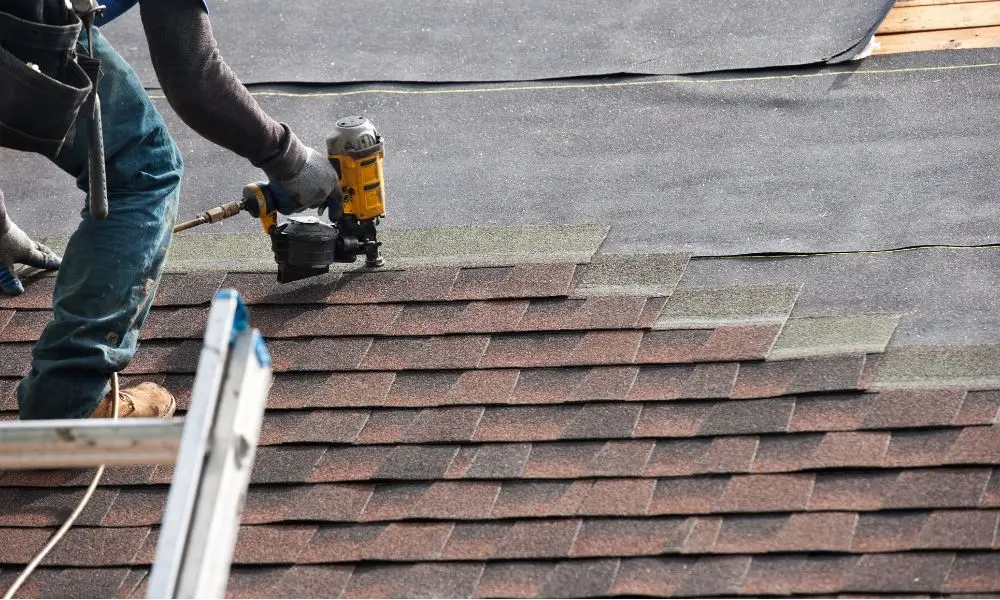
Professional installation impacts both immediate performance and long-term environmental outcomes through correct flashing, underlayment selection, fastener placement, and ventilation design that collectively reduce leaks and thermal bridging. Quality installation reduces the need for rework and early replacement, thereby cutting material consumption and associated embodied emissions.
Responsible disposal practices—sorting tear-off materials for recycling, using designated collection facilities, and avoiding landfill dumping—ensure materials re-enter supply chains where possible.
Homeowners should specify recyclable components and request documentation of disposal practices to maximize environmental benefits. Combining skilled installation with a clear plan for end-of-life material handling prevents unnecessary waste and supports circular material flows.
Considering a Sustainable Roof for Your Brentwood Property?
Let Red Beard Roofing help you make informed decisions. Schedule a free inspection or contact us for expert roofing and exterior services in Brentwood.
How Does the Brentwood Climate Influence Sustainable Roofing Choices?
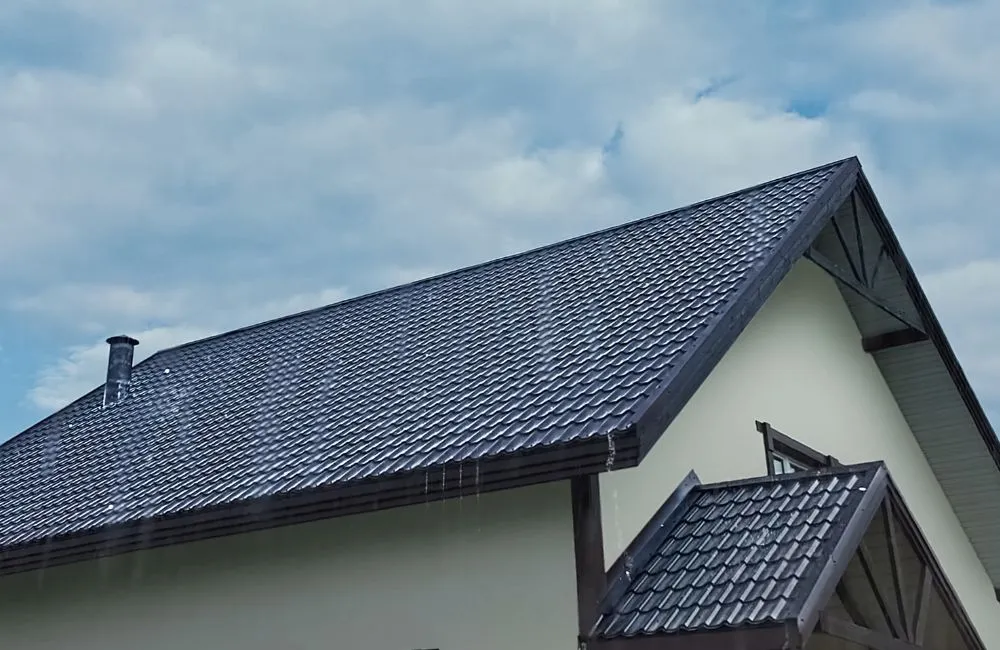
Brentwood’s climate—characterized by hot, humid summers, variable precipitation, and occasional severe storms—shapes which roofing strategies yield the largest environmental and performance returns. Heat and solar exposure increase the value of reflective surfaces and proper attic ventilation to reduce cooling loads, while humidity raises concerns about moisture management and mold, making ventilation and breathable underlayments important. Storm-resistance considerations, including wind uplift and impact resistance, affect material selection and attachment methods to ensure resilience during severe weather events.
Local stormwater patterns and neighborhood urbanization also make runoff mitigation a priority; roof choices that lower runoff rates or temporarily retain precipitation reduce erosion and pollutant transport into local waterways. Matching material durability and thermal performance to these climate realities produces both environmental and practical benefits for homeowners.
What Climate Factors Affect Roofing Material Performance in Brentwood?
Heat and UV exposure accelerate photodegradation in organic roofing materials like asphalt, shortening lifespans and increasing the need for replacement. Humidity and moisture cycles heighten risks of mold and substrate rot if ventilation and flashing are inadequate, while seasonal storms demand wind uplift resistance and robust attachment systems. Materials that combine reflectivity with moisture-tolerant assemblies—such as metal with appropriate underlayment—tend to perform well in this mixed climate.
Selecting systems that align with local stressors reduces lifecycle replacement frequency and environmental burden, making climate-aware selection an essential part of sustainable roofing planning.
How Do Local Stormwater Management and Regulations Impact Roofing Decisions?
Stormwater management requirements and best practices encourage designs that reduce runoff volume and improve water quality through retention, infiltration, or slower discharge. Green roofs, vegetated swales, and permeable landscaping connected to roof downspouts are examples of stormwater-minded solutions that can complement roofing choices. While municipal regulations vary, homeowners should be aware that some localities incentivize or require runoff mitigation measures, and integrating those solutions into reroofing projects can improve compliance and environmental outcomes.
Consulting local codes and planning for runoff reduction during roof design helps avoid retrofits and ensures the chosen roof contributes positively to neighborhood stormwater resilience. Professional inspection and planning can identify the most effective interventions for compliance and environmental benefit.
Why Choose Red Beard Roofing for Eco-Friendly and Sustainable Roofing Solutions?
Red Beard Roofing is a local, family-owned contractor serving Brentwood with residential and commercial roofing and exterior services, offering metal roofing, flat roofing, siding, gutters, and storm-repair capabilities. The company emphasizes transparent pricing, licensed and insured workmanship, and 24/7 emergency repair to support resilient, sustainable outcomes for homeowners and property managers. Red Beard Roofing’s service approach integrates inspections, material recommendations, and responsible disposal planning to reduce waste and maximize roof service life while aligning with environmental goals.
We support sustainable projects through Financing via Wisetack and a free inspection program that helps homeowners evaluate repair vs replacement based on environmental and economic tradeoffs.
What Are Common Questions About the Environmental Impact of Roofing Choices?
This FAQ addresses frequent queries concisely to support decision-making for homeowners considering environmental factors in roofing.
What Is the Most Eco-Friendly Roofing Material Available Today?
The most eco-friendly option depends on context, but metal roofing and well-designed green roofs typically rank highest for combined durability, recyclability, and operational energy benefits. Metal roofs reduce replacement frequency and are highly recyclable, while green roofs provide stormwater retention and insulation. Recycled-shingle products and cool coatings can also be eco-friendly choices when structural constraints or budget limit options.
How Long Do Metal Roofs Last Compared to Asphalt Shingles?
Metal roofs commonly last 40–70 years, while asphalt shingles tend to last 15–30 years depending on exposure and maintenance; longer metal lifespans translate into fewer replacements, less waste, and lower lifecycle emissions. This extended service life makes metal roofs environmentally advantageous despite higher upfront costs.
Ready to Explore Sustainable Roofing for Your Brentwood Home?
Contact Red Beard Roofing today for a free, no-obligation inspection and expert guidance on eco-friendly roofing and exterior services.
Conclusion
Choosing the right roofing system is one of the most effective ways Brentwood homeowners can reduce their environmental footprint while improving long-term home performance. By understanding how materials influence energy use, waste generation, and stormwater impacts—and by pairing those choices with proper installation, maintenance, and responsible disposal—you can make decisions that benefit both your property and the planet. Whether you opt for metal, green, cool-coated, or recycled roofing solutions, sustainability starts with informed planning.
Want to learn the top seasonal roof repair tips for homeowners in Columbia? Read the full article here.