When a severe storm rips through your neighborhood, high winds and hail can compromise your roof’s integrity, leading to leaks, structural decay, and escalating repair costs. Acting swiftly through a systematic storm damage repair process ensures you protect your home, minimize water intrusion, and secure fair insurance compensation.
This guide delivers immediate safety steps, documentation best practices, emergency repairs, insurance-claim navigation, contractor selection criteria, and long-term resilience strategies—covering every phase of post-storm recovery for effective roof storm damage restoration.
How Do I Prioritize Safety and Conduct an Initial Roof Storm Damage Assessment?
A safe assessment after roof storm damage begins by recognizing hazards and identifying visible signs to prevent injury and limit further deterioration. By combining a ground-level inspection with an interior check, you establish a clear repair roadmap and reduce the risk of hidden leaks undermining structural elements.
What Safety Precautions Should I Take After a Storm?
Immediate Precautionary Measures
- Turn Off Power: Before approaching your roof or the surrounding property, immediately turn off nearby power sources to prevent electrocution, especially if there are fallen lines or water pooling.
- Wait for Calm Conditions: Always wait for daylight and calm winds. Never attempt an inspection during the storm or in gusty conditions.
- Avoid Unstable Surfaces: Stay clear of any areas on or around your home that look shaky, leaning, or unstable. Do not climb onto a compromised roof.
Essential Safety Gear
- Wear Protective Footwear: Put on slip-resistant boots to maintain traction on potentially slick ground and debris.
- Use Head Protection: Wear a hard hat to shield against falling debris.
- Protect Your Hands: Put on heavy-duty gloves to protect against sharp edges, nails, and unstable shingles.
How Can I Perform a Ground-Level Visual Roof Inspection Safely?
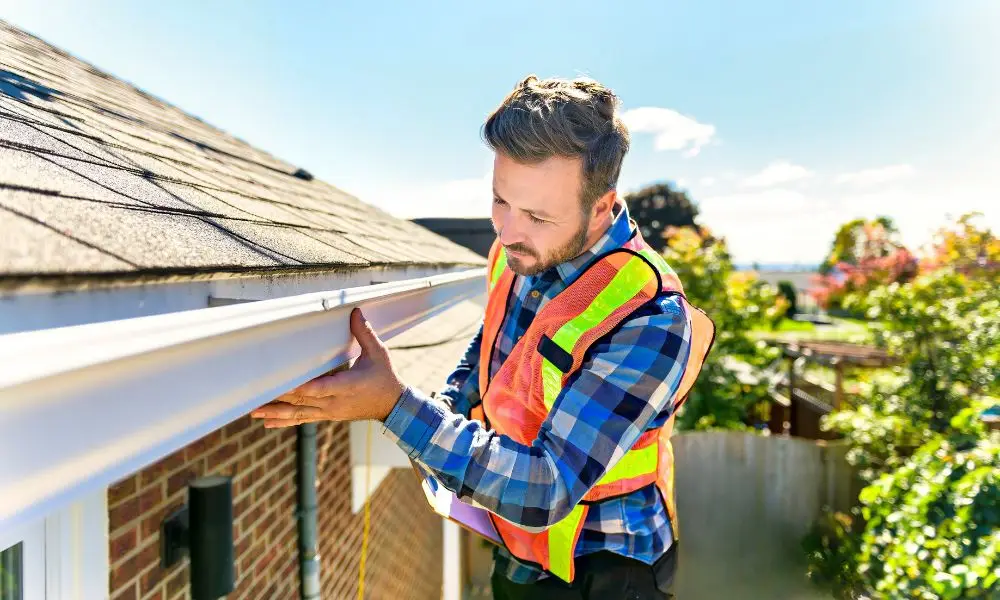
Conduct a ground-level survey with binoculars from a stable vantage point, noting missing or curled shingles, dented gutters, and displaced vents. Look for dark streaks indicating granule loss and debris piled in valleys. Use a checklist to record:
- Asphalt shingles: cracked, missing, granule erosion
- Metal flashing: bent, detached, exposed fasteners
- Gutters and downspouts: dents, clogs, misalignment
This component-based approach clarifies which areas need immediate tarping or professional evaluation and transitions naturally into checking for interior water intrusion.
What Interior Signs Indicate Roof Storm Damage?
Inspect your attic and ceilings for fresh water stains, damp insulation, peeling paint, or mold growth. A musty odor or sagging drywall suggests active leaks requiring prompt containment. Documenting these interior indicators complements external observations, creating a comprehensive damage profile for insurance and guiding temporary leak-sealing actions.
Why Is Documenting Roof Storm Damage Crucial and How Should I Do It?
Detailed documentation forms the backbone of any successful insurance claim and ensures storm damage repair expenses receive full coverage. Clear visual records paired with written notes demonstrate your diligence and substantiate repair estimates, leading to faster claim approvals and accurate settlements.
What Types of Roof Damage Should I Document?
Capture both obvious and subtle damage to roof components:
- Shingles: missing, lifted, bruised
- Flashing: gaps, cracks, rust spots
- Gutters: bent sections, detached fasteners
- Vent and chimney caps: dents, displacement
- Interior: water stains, mold, warped wood
Thoroughly itemized damage records reduce disputes over hidden defects and support supplemental claim requests when repair scope expands.
How Do I Properly Document Damage with Photos and Videos?
Begin at the house perimeter and work clockwise, photographing each damaged area with wide-angle shots followed by close-ups. Record video walkthroughs narrating damage type, location, and date. For consistency:
- Label each file with date, location, and damage type.
- Include a ruler or coin in close-ups for scale.
- Capture overhead shots of tarping and temporary fixes.
A systematic filing structure—organized by date and damage category—ensures clear communication with adjusters and contractors.
What Additional Records Strengthen My Insurance Claim?
Supplement visual proof with:
- Recent weather reports detailing wind speeds and hail size
- Contractor inspection reports and cost estimates
- Written notes of your inspection dates and observations
These corroborating documents reinforce the severity and timing of damage, increasing the likelihood of full reimbursement without protracted appeals.
What Temporary Roof Repairs Can I Make to Prevent Further Storm Damage?
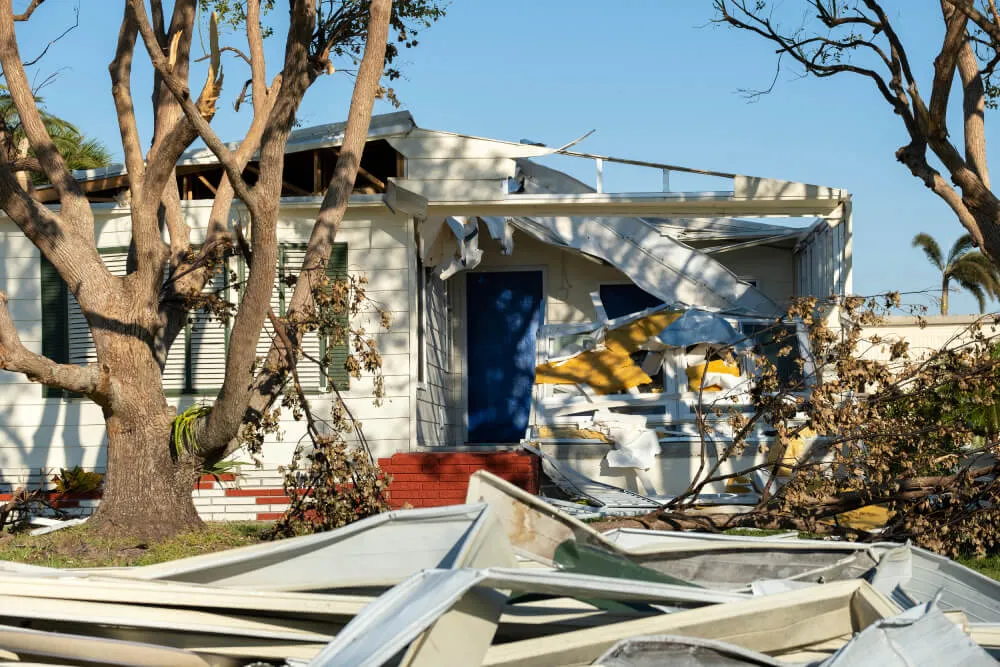
Immediate temporary repairs serve to contain leaks and stabilize compromised sections until professional crews arrive. By applying tarps and sealants correctly, you halt water intrusion and mitigate secondary damage such as mold or wood rot.
How Do I Safely Tarp My Roof After Storm Damage?
Cover exposed areas with a heavy-duty, UV-resistant tarp secured by roofing nails and wood battens. Position the tarp under remaining shingles at the ridge, extending it at least two feet beyond the damage zone. Use a ladder stabilizer and secure footing—never stand on wet or steep slopes. Tarping halts rain penetration and preserves decking integrity until permanent fixes are scheduled.
When and How Should I Seal Minor Roof Leaks?
For small punctures or loose flashing, apply roofing cement or self-adhesive leak repair tape from the underside of lifted shingles. Spread a uniform layer of sealant over gaps and press flashing firmly. Perform this only in dry conditions and on accessible areas; improper sealing can trap moisture and worsen decay if attempted on large or steep sections.
What Tools and Materials Are Needed for Emergency Roof Repairs?
Essential tools for temporary fixes include:
- Heavy-duty tarp (8 × 12 ft minimum)
- Roofing nails and wood battens
- Roofing cement or sealant tape
- Sturdy ladder with stabilizer
- Work gloves, hard hat, and non-slip footwear
Having these items on hand at all times empowers prompt action that prevents minor breaches from escalating.
How Do I Navigate the Roof Insurance Claim Process After Storm Damage?
Efficient insurance navigation ensures you recover costs for storm damage repair without unnecessary delays. Understanding your policy coverage, deductible structure, and adjuster interaction leads to a fair settlement aligned with the documented damage inventory.
For a detailed guide on the process, refer to the official Post-Disaster Claims Guide from the Tennessee Department of Commerce & Insurance.
How Do I Contact My Homeowners Insurance Provider After Storm Damage?
Report damage verbally or online within 24 hours of discovery, providing your policy number, damage summary, and preliminary documentation. Request a claim number and ask for the adjuster’s contact information. Early notification triggers faster inspections and sets claim expectations.
What Does My Insurance Policy Cover for Roof Storm Damage?
Your homeowners insurance typically covers sudden perils like wind and hail but excludes wear-and-tear or deferred maintenance. Coverage types include:
| Policy Type | Depreciation Method | Settlement Basis |
|---|---|---|
| Actual Cash Value | Depreciates over time | Payout = Replacement Cost − Depreciation |
| Replacement Cost | No depreciation applied | Payout = Full repair/replacement cost up to policy limit |
Knowing which applies clarifies your out-of-pocket expenses and informs repair vs. replacement discussions.
How Should I Work with the Insurance Adjuster During the Claim?
Accompany the adjuster on the roof to point out documented damage and hidden issues. Present your photo/video log and contractor’s preliminary estimate to validate repair scope. A collaborative inspection reduces under-estimation of required repairs and strengthens your negotiated settlement.
For more information on contractor licensing and consumer protection, visit the Tennessee Department of Commerce & Insurance.
What Happens After Claim Approval and How Is Settlement Processed?
Once approved, you receive an initial check based on your deductible and coverage type. Contractors begin work upon receipt of funds, and you may submit invoices for supplemental payments if additional damage emerges during repairs. Maintain open communication with your insurer to expedite final disbursements and close out the claim.
How Do I Choose a Reputable Roofing Contractor for Storm Damage Repair?
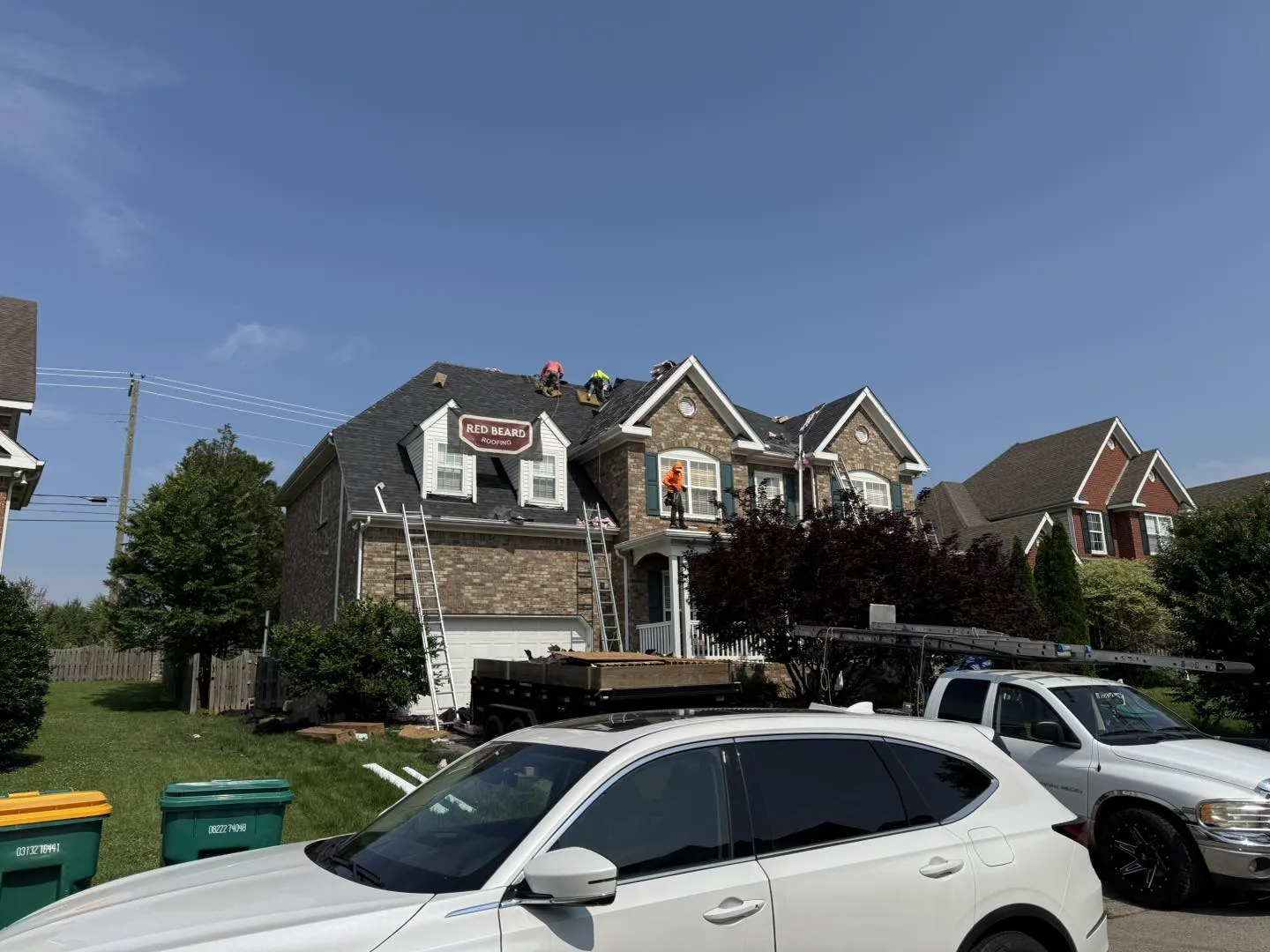
Selecting a qualified storm damage roofing contractor is the most important decision you’ll make after filing a claim. A trusted professional ensures quality workmanship, warranty protection, and seamless insurance collaboration. Verifying credentials and expertise prevents contractor-related disputes and guarantees durable results.
This is where companies like Red Beard Roofing stand out. With decades of experience, we built our business on the foundation of transparency, reliability, and top-tier workmanship, serving all aspects of roofing—from residential storm repair to large-scale Commercial Roofing and specialized Metal Roofing installations. We specifically handle the complexities of storm restoration for our Middle Tennessee community.
What Qualifications Should I Look for in a Storm Damage Roofing Contractor?
A trusted professional holds:
- State licensing and local permitting credentials.
- General liability and workers’ compensation insurance.
- Certifications from major shingle and metal roofing manufacturers.
- Demonstrated experience in storm damage repair and insurance claim support.
Verifying these criteria early minimizes the risk of unlicensed practices and substandard fixes.
How Do I Verify a Contractor’s Storm Damage Repair Expertise?
Request references and review before-and-after project photos showcasing hail dents, wind-lifted shingles, and flashing repairs. Check online ratings for consistent five-star feedback on storm restoration projects. Direct referrals from local insurance agents or neighborhood groups further endorse reliability. As a long-standing member of the Middle Tennessee community, serving homeowners in Franklin, Brentwood, and beyond, Red Beard Roofing encourages you to check our reviews and see our history of integrity for yourself.
When Is Roof Replacement Necessary Instead of Repair?
Full replacement is advisable when more than 30 percent of shingles are damaged, underlying decking shows warping, or flashing has extensive corrosion. A comprehensive replacement delivers uniform protection and often qualifies for insurance coverage under replacement cost policies, avoiding piecemeal repairs that shorten lifespan.
Red Beard Roofing will provide an honest assessment of whether a repair or a full replacement is the most cost-effective, long-term solution for your specific damage.
What Long-Term Maintenance and Upgrades Can Prevent Future Roof Storm Damage?
Proactive maintenance and strategic upgrades strengthen roof resilience against severe weather, reducing future storm damage repair needs. By combining regular inspections with storm-resistant materials and landscape management, you safeguard your investment and avoid repeat claim cycles.
What Regular Maintenance Should I Perform to Protect My Roof?
Inspect your roof biannually and after major weather events, clearing debris from valleys and gutters to prevent water backup. Tighten loose flashing, replace cracked sealants, and monitor attic ventilation for moisture control. Consistent upkeep preserves shingle adhesion and flashing integrity, making your roof less vulnerable to high winds and hail.
Which Storm-Resistant Roofing Materials and Upgrades Are Recommended?
High-impact materials provide superior wind uplift resistance and hail protection:
| Material | Resistance Feature | Expected Lifespan |
|---|---|---|
| Impact-rated asphalt | Reinforced fiberglass mat | 25–30 years |
| Metal panels | Interlocking seams | 40–50 years |
| Concrete tile | Heavy mass deters hail damage | 30–50 years |
| Slate shingles | Natural durability | 50–100 years |
How Can I Trim Trees and Manage Surroundings to Reduce Storm Damage Risk?
Keep branches clear of roof surfaces by pruning heavy limbs at least 10 feet away. Remove dead or leaning trees that pose impact hazards and maintain ground drainage to prevent pooling near foundations. A well-managed landscape acts as a buffer, minimizing debris strikes and water infiltration during severe weather.
Conclusion: Turning Storm Damage into Lasting Protection
When a storm hits, the key to minimizing damage and maximizing your insurance claim rests in taking immediate, systematic action. As this guide has outlined, prioritizing safety, meticulously documenting damage, and performing temporary containment are crucial first steps that protect your home from further long-term decay.
The next critical phase is partnering with a qualified professional. With decades of experience serving the Middle Tennessee community, Red Beard Roofing is built on integrity and expertise in storm restoration. We don’t just fix roofs; we restore peace of mind by providing honest assessments, guiding you through the complex insurance process, and delivering durable, high-quality roof replacement or repair solutions.
Don’t let post-storm stress turn into a long-term problem. Immediately following a storm, take action, document everything, and then turn to the experts you can trust. Contact Red Beard Roofing today for a detailed, no-obligation storm damage inspection. With flexible financing options available, we can handle your restoration from documentation to final nail. We’re here to protect your home and your investment.
For more in-depth information on selecting materials and long-term planning, be sure to read our comprehensive guide: The Ultimate Guide to Roof Replacement in Middle Tennessee.